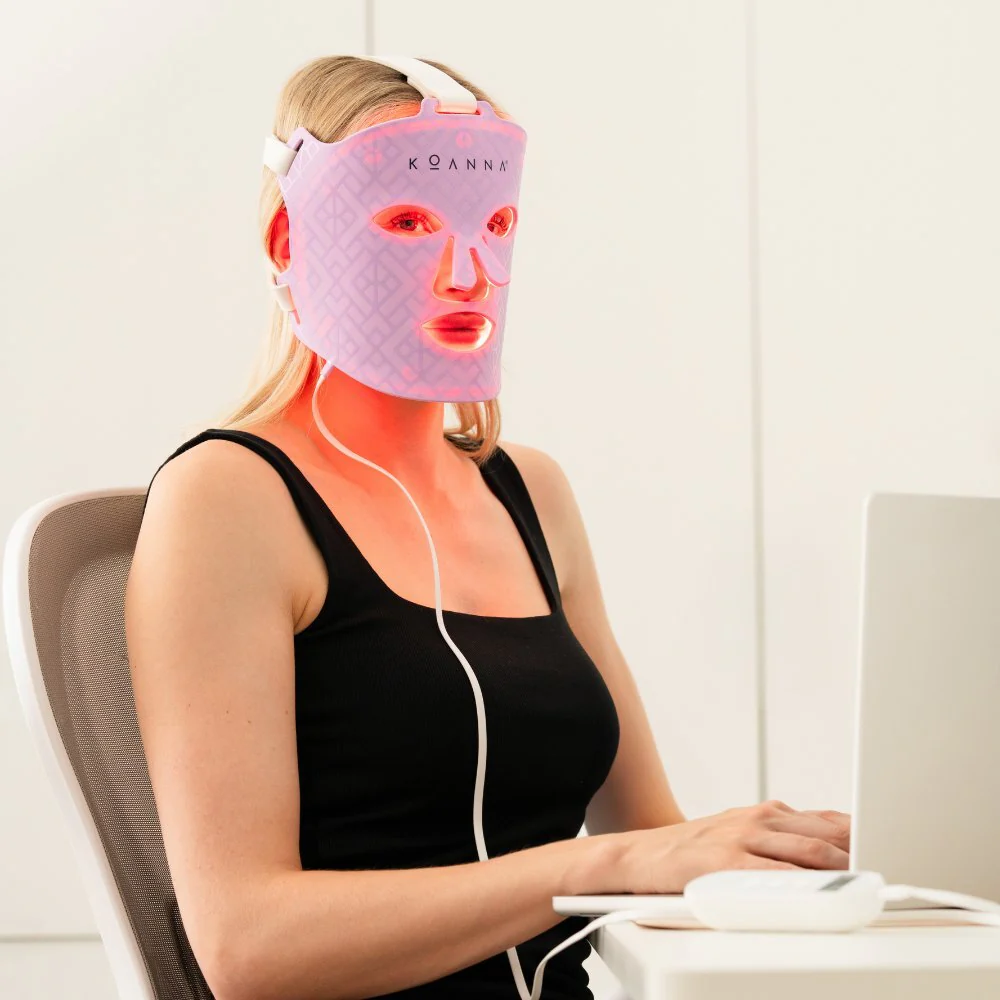

LED or red light face masks have become increasingly popular in recent years. Here’s everything you need to know about the devices before you buy one
Deciphering what latest beauty products and fads are worth the expensive price tag isn’t an easy feat. LED face mask are one pricey trend that seems to be sticking around. Promising brighter, smoother and clearer skin with the click of a button.
The masks, very futuristic in appearance, use varying light wavelengths to target specific skin concerns. While red light targets fine lines, uneven skin tone and boosts collagen production, blue light claims to kill bacteria responsible for acne and breakouts. They offer an at-home, non-invasive way to achieve skin improvements – but surely there’s a catch?
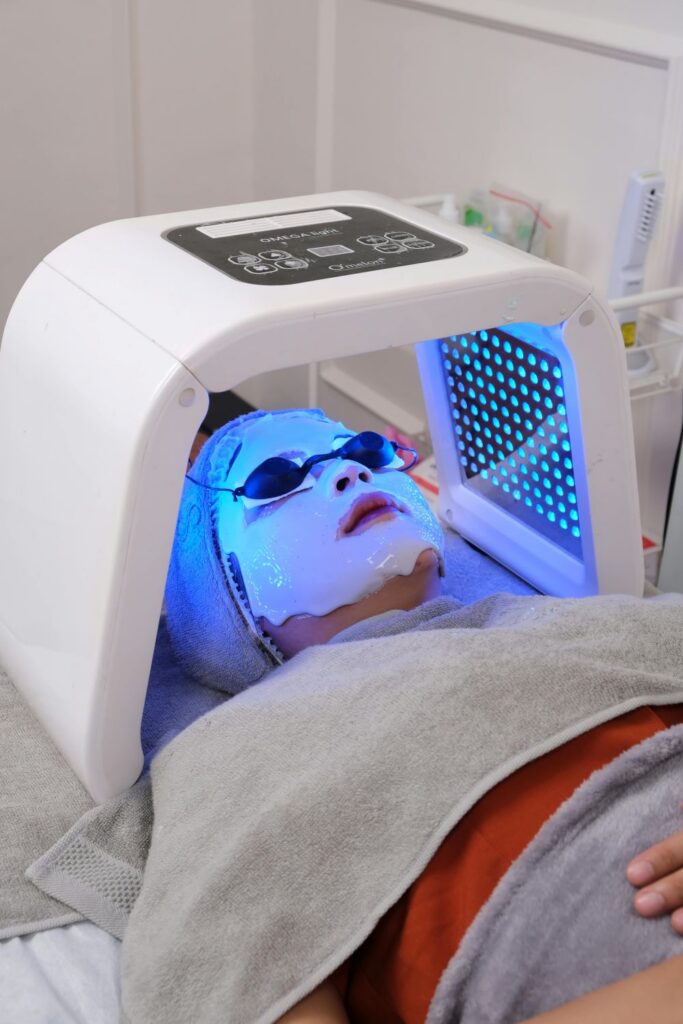
Though expensive (a decent mask can cost anywhere in the range of €150 – €600), the only real barrier to seeing results is inconsistency. Dr Alex Quinn from The Alex Clinic tells us that consistency is key, “It only shows clinical efficacy if used regularly.”
Here Dr Alex answers some common questions about LED face masks.
How do LED face masks work?
Red light therapy Or photobiomodulation works on the premise that certain colours and wavelengths of light are absorbed by different layers of the skin. Red light is absorbed into the layer that helps produce collagen and elastin, stimulates miceocirculation, increases hydration and improves redness.
What skin types will it work for?
Red light is generally safe for most skin types. But it’s important if you have any skin conditions or a history of skin cancer to consult your doctor. Blue light however should be avoided in darker skin types or people suffering with melasma as it is absorbed into the layer that promotes pigmentation.
Any advice for what to look out for when shopping for an LED mask?
There are so many gimmicks on the market. Most of the robust research on red light masks centres around clinical grade, so even though most masks for at home use don’t have these white paper studies behind them, there are definitely things to look out for when choosing. The biggest thing is the wavelength of light, red light is between 620-700nm , near infrared is around 850-1000nm – these are the wavelengths to look out for! If it’s not specified, then don’t buy it! The other thing is the irradiance, most good masks operate somewhere between 25-50mW/cm2.
How should a person use it at home?
It only shows clinical efficacy if used regularly – so using 4-7 times per week is ideal.
Three LED face masks we recommend:
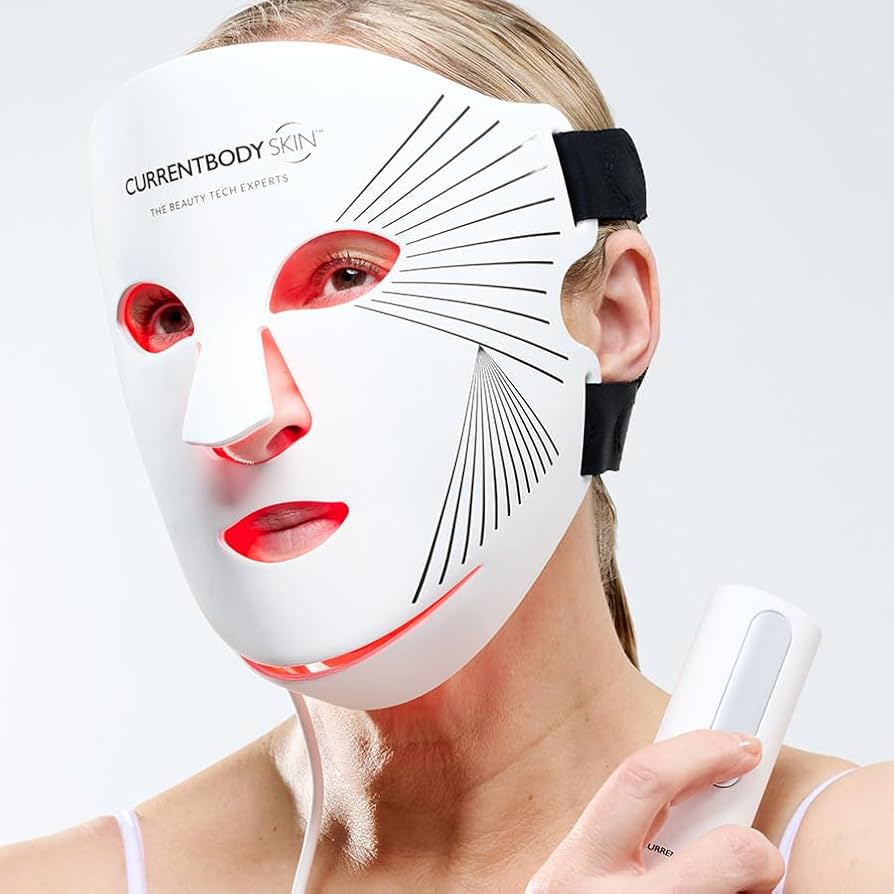
CurrentBody LED Red Light Therapy Face Mask: Series 2 – €449.99
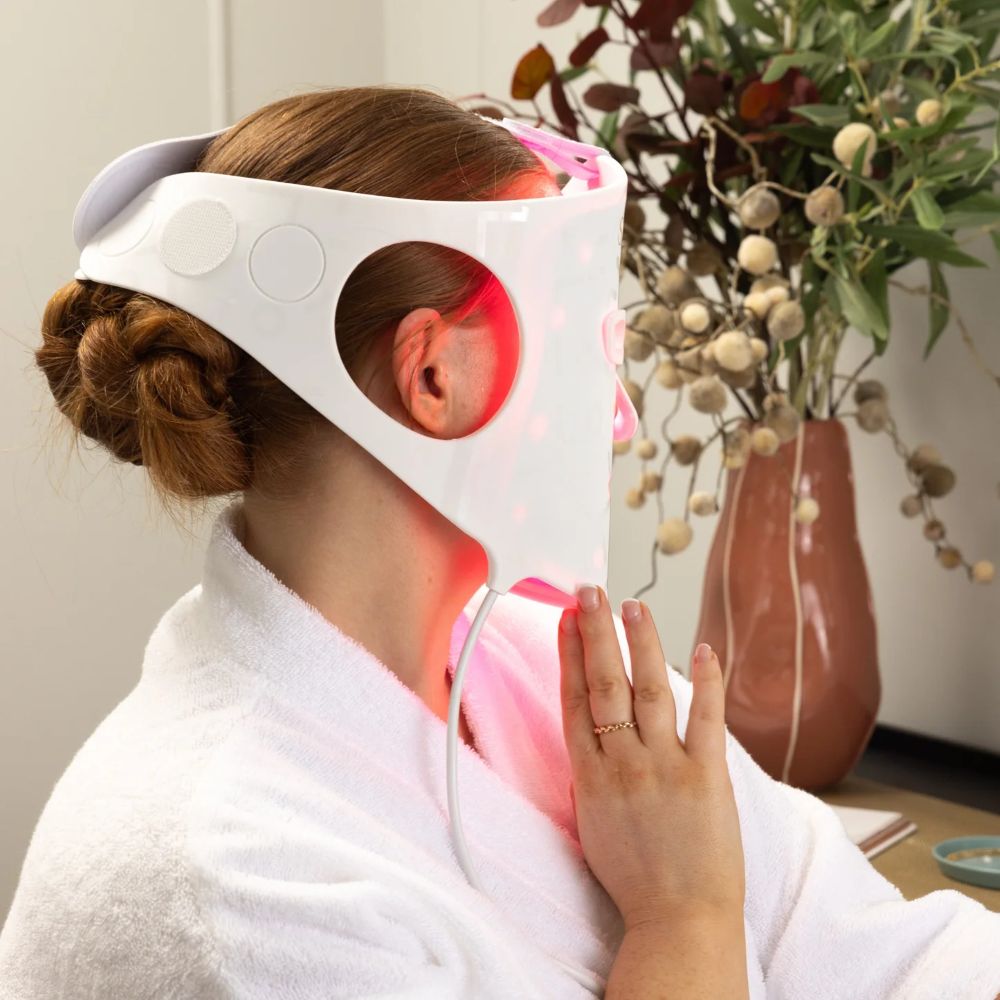
Skin Krush Rejuvenating LED Mask – €350