For Rosacea Awareness Month we look at the chronic skin condition and chat to a skincare expert on how best to treat it with skincare.
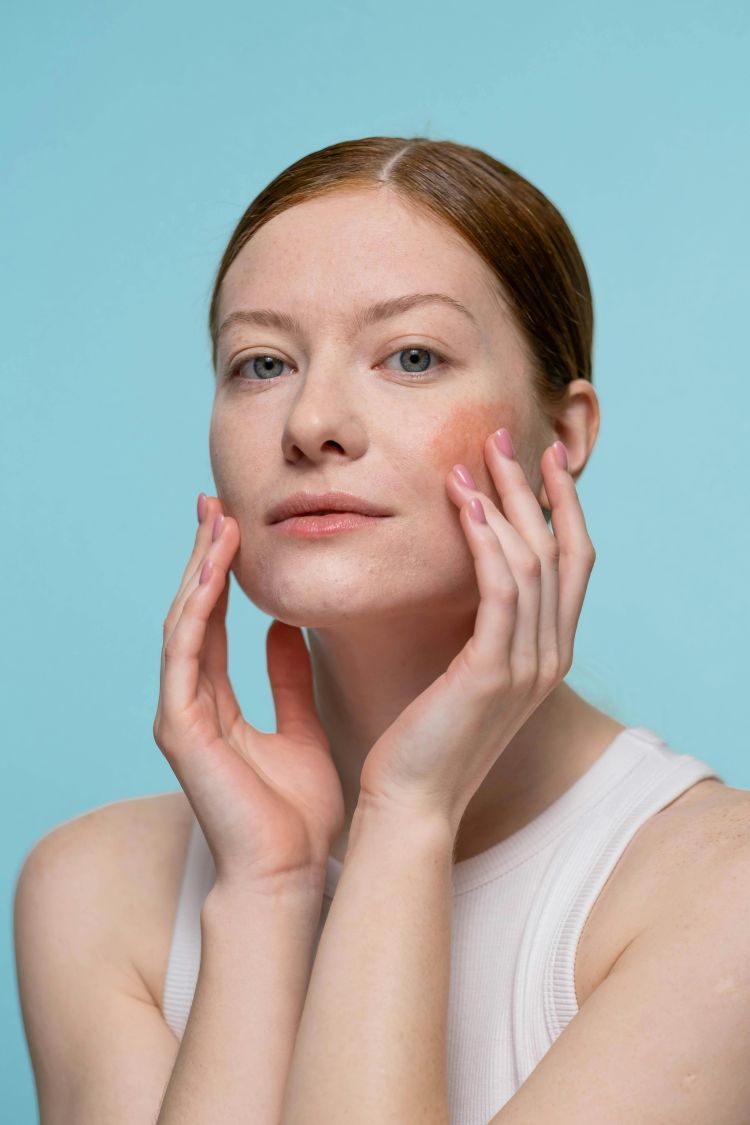
Approximately 10-15% of the Irish population has rosacea. The chronic inflammatory skin condition is often referred to as the ‘curse of the celts’ in reference to its high prevalence in Irish people with fair skin. For those dealing with the condition, it typically causes persistent redness, face flushing, visible bloom vessels and acne-link bumps on the face.
April marks Rosacea Awareness Month where organisations and brands alike work to educate and raise awareness on the inflammatory skin condition.
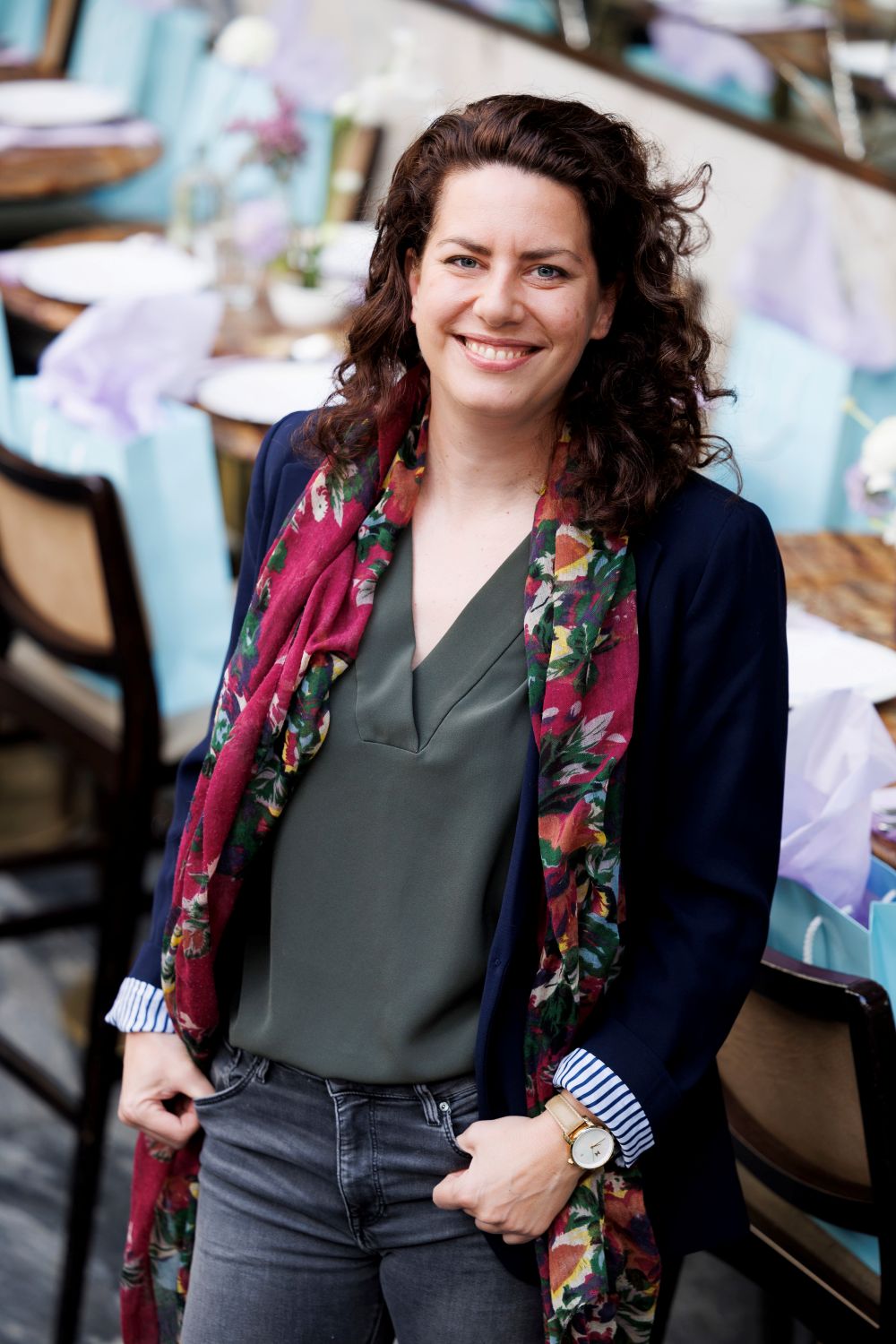
Skincare brand, Rosalique was designed with Rosacea sufferers and those with sensitive skin in mind. Here, we catch up with Claudia Talsma owner and founder of Rosalique and Salcura Natural Skin Therapy to chat about the brand and her expert guide to treating the skin condition.
What inspired you to create Rosalique?
We wanted something that gives an immediate result while still supporting the skin long term. At the time, there wasn’t really anything on the market that combined skincare and makeup in a meaningful way. Foundations would cover redness but didn’t help the skin underneath and products like CC creams often didn’t contain active ingredients or offer high SPF protection.
In a direct response to this, we developed our 3 in 1 concept: instant redness-neutralising coverage, active ingredients to calm and support the skin over time, and SPF50 for daily protection. Ultimately, Rosalique came directly from our customers, we could see the need for something that worked instantly, while also improving the skin over time and it simply wasn’t being met at the time.
How would you explain rosacea in simple terms?
Rosacea is a skin condition that causes persistent redness on the face, often across the cheeks, nose, forehead and chin. It can also come with visible blood vessels, sensitivity, dryness and sometimes spots or bumps that can look like acne.
What makes it challenging is that it tends to flare up and calm down in cycles, often triggered by things like stress, weather, food or harsh skincare. At its core, rosacea is about reactive skin that needs consistent care and the right kind of support to help keep redness under control.
What are the most common misconceptions about rosacea?
One of the biggest misconceptions about rosacea is that it’s simple to diagnose. People get misdiagnosed all the time, not just with rosacea but with many chronic skin conditions. For example, someone might be told “it’s psoriasis”, when in fact there are many different kinds of psoriasis. The same is true for rosacea, there are so many variations and what triggers one person’s flare might not affect someone else at all.
Another common misconception is that there’s an easy fix. People often say things like “you just need to drink less wine” or “eat less sugar” and we see these comments all the time on social media. The truth is, chronic skin conditions are never clear-cut. Every person is different, every stage of life is different and factors like hormones or changes to the immune system can completely impact the skin.
What should a basic skincare routine for rosacea-prone skin look like?
A rosacea-friendly routine should focus on keeping the skin calm, protected, and supported. Rosacea skin responds best to simplicity, consistency, and gentle care.
In the morning, use a gentle, non-foaming, fragrance-free cleanser. Avoid harsh surfactants like Sodium Laureth Sulfate (SLS) and anything that could strip or irritate the skin. Follow with a soothing moisturiser to help support the skin barrier, then always finish with a high SPF. Sun exposure is one of the most common rosacea triggers, so daily protection is essential.
In the evening, cleanse again gently to remove SPF and impurities, then apply a calming night cream to support the skin’s natural overnight repair process. We often recommend a soothing formula designed for sensitive, rosacea-prone skin.
Try to avoid over-exfoliating and be mindful of common irritants like synthetic fragrance, strong actives, and high-foaming cleansers, as these can easily disrupt a sensitive skin barrier.
Have you heard any customer stories that have really stayed with you?
One customer story that has really stayed with me is Amanda, one of our very first Rosalique customers back in 2018. At the time, we were still a very small team within Rosalique & Salcura, working very hard across both brands in the early days of Rosalique, so every piece of feedback meant a lot and this one will always be memorable.
Amanda discovered the product through one of our Facebook ads and reached out to us directly. What stood out most was that her experience reflected exactly what we had hoped to achieve with Rosalique. She shared that, for the first time, she could achieve good coverage without needing multiple layers of foundation, which made her skin feel less “caked” and more comfortable. She also noticed her skin looking and feeling calmer and happier, helped by the SPF50 protection and the soothing, skin-friendly formulation.
As someone working as a nurse in the NHS, she also represented exactly the kind of person we originally wanted to support with Rosalique, which made her feedback even more meaningful. It was one of those early moments that gave us real confidence that we were on the right path, especially in an industry dominated by much larger brands.
Lastly, why is Rosacea Awareness Month important?
Rosacea Awareness Month is very important to me for a number of reasons. Back in 2018, it was still mainly recognised in the US and wasn’t really known or established across Europe, especially here in the UK & Ireland. We felt there was a real need to bring more awareness to it here, and to dedicate time each year to education, particularly during April as we move into spring.
Spring is a key time for rosacea sufferers, as skin is often triggered by sun exposure, environmental changes, and allergies, which can lead to flare-ups. This is why SPF and daily protection become even more important during this season.
Rosacea affects millions of people worldwide, and many are still undiagnosed or misdiagnosed, which makes awareness and education so important. Having a dedicated month helps create space to better understand the condition, the different types of rosacea, and how to manage it, without judgement.