
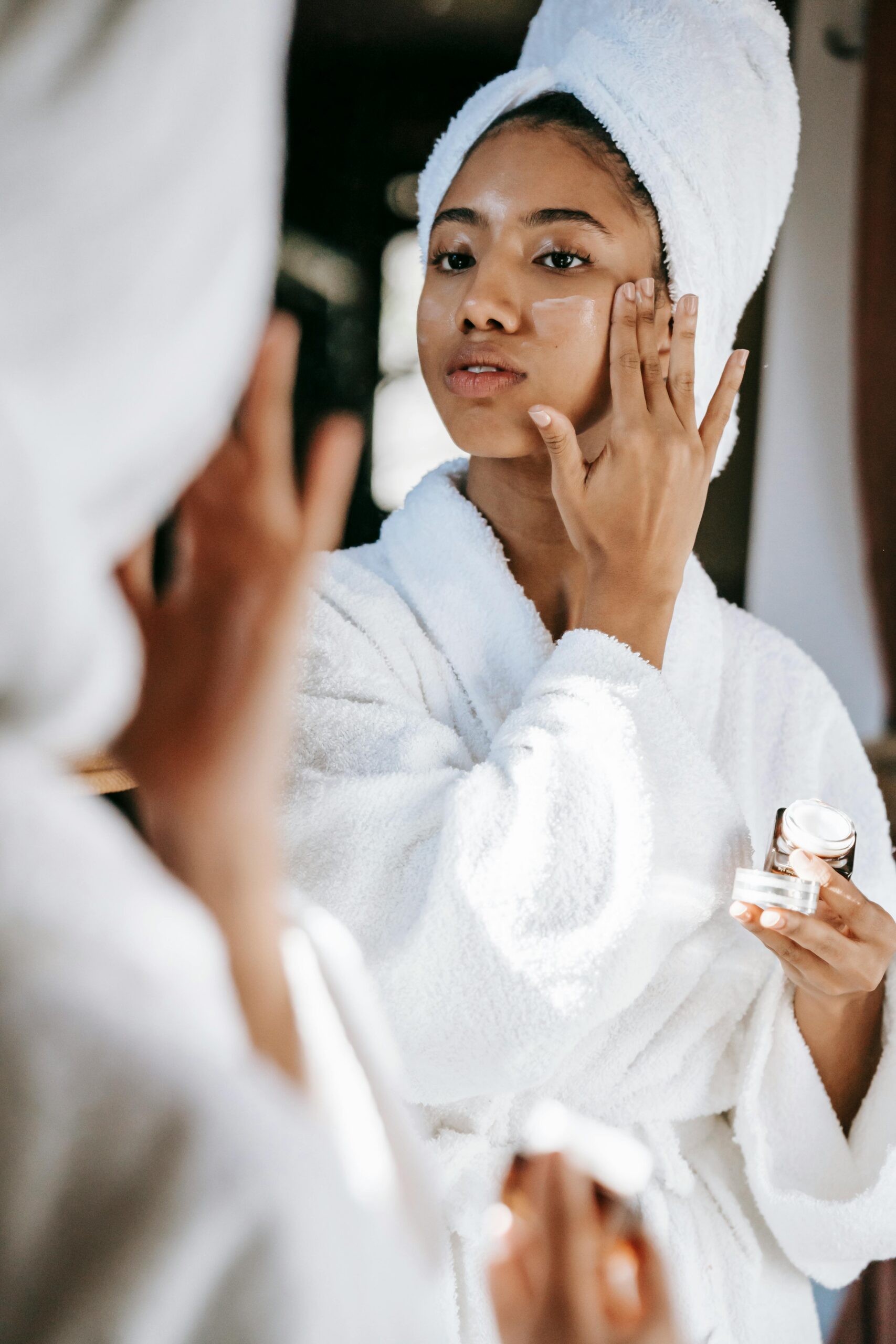
Using too many skincare brands and overloading your skin doesn’t always result in a happy complexion, Irish skincare expert Niamh Hogan shares why
Take a look on your skincare shelf, how many different brands are on there? More than that, how many active ingredients are sitting there too? For many of us, using too many different brands and ingredients can result in overloading our skin. The result of this can be the exact opposite of what we’re after.
Instead of achieving happy, healthy and glowy skin, overloading our skin can damage the skin barrier, ultimately leading to irritation, inflammation and sensitivity.
Niamh Hogan, founder of Enniscorthy-based skincare brand Holos says that mixing different skincare brands is common, but could be the root cause of not achieving the results you would like to from your skincare.

She says: “A cleanser from one brand, a serum from another, a trending exfoliant from Instagram, and a moisturiser your friend swears by. Individually, they may be beautiful, but, together, too many formulas can become an uncontrolled experiment on your skin”.
Instead, Niamh encourages us to be conscious of what we’re putting on our skin and when. Potential skincare problems can arise because every brand formulates differently, with different preservation systems, active ingredients, fragrance components and varied pH levels.
“When you layer multiple brands,” Niamh begins. “You’re not just layering product, you’re layering dozens of ingredients that, potentially, were never designed to work together”,
How will I know if I’m overloading my skincare?
“A high number of products, particularly thick creams or oils from various different brands, can lead to product buildup, clogged pores and acne”, explains Niamh.
“Product pilling is an obvious telltale sign. Serums or cream will roll up into little balls on the skin, indicating they are simply not absorbing properly, due to layer overload. So, product is wasted, and skin can’t cope”.
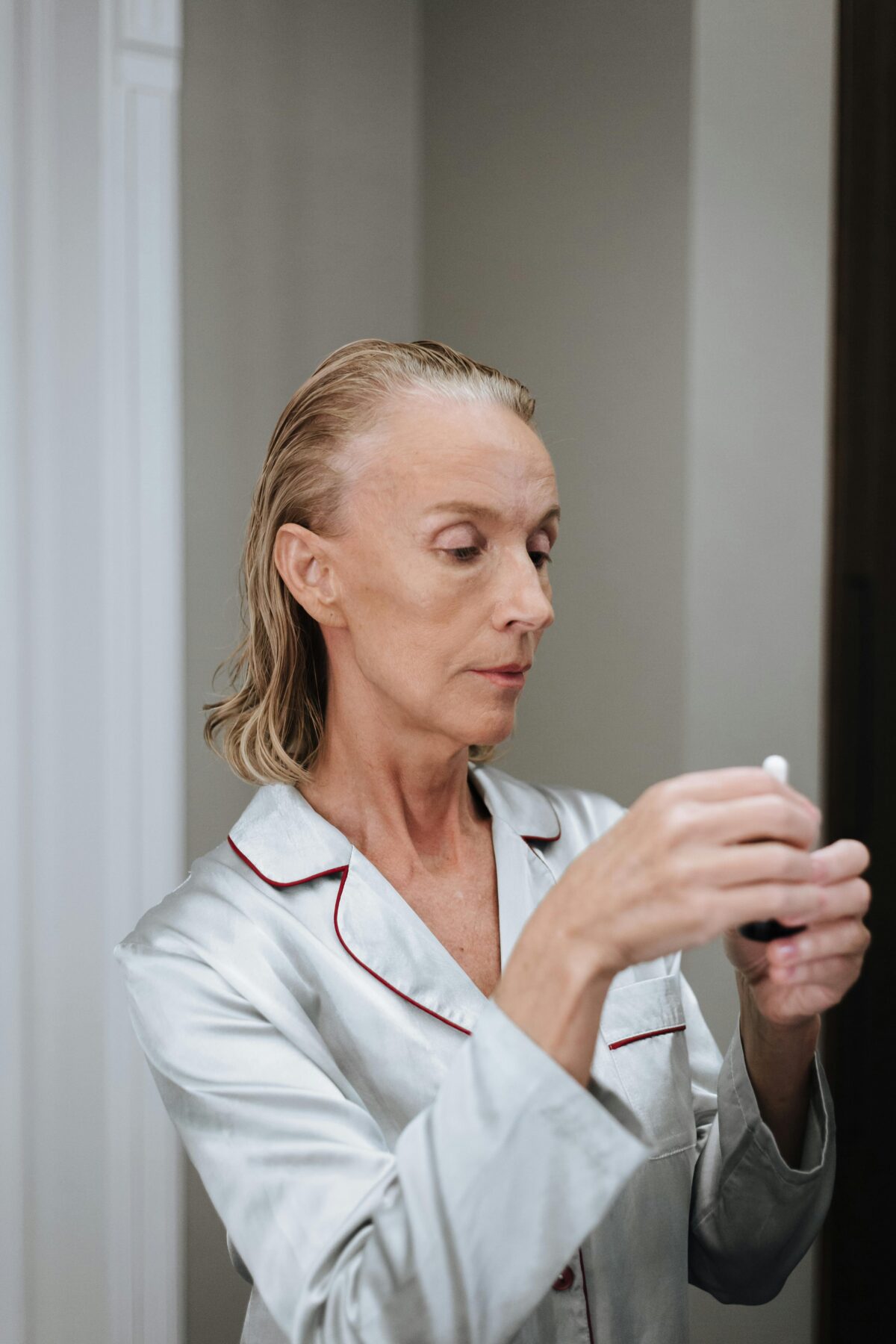
Skincare regimes, like Holos offer, formulate as a complete ecosystem of products, designed to work in synergy. Staying mostly within one range, consistently, will reduce ingredient overload. And, while Niamh says that, yes, we can mix brands, she does recommend regular checks to ensure that skin is actually thriving on a skincare regime and not just coping.
“Sometimes the most powerful shift isn’t adding something new. It’s simplifying and ensuring a balanced skincare routine”.
How to avoid a damaged skin barrier
Niamh shares her top tips for looking after your skin and avoiding a damaged skin barrier.
- Simplify your daily routine, focussing on cleanse, tone, moisturise and sunscreen, using 1-2 active ingredients at most, morning and evening.
- Actives are scientifically proven compounds that include retinoids for anti-aging, vitamin C for brightening, and acids, like hyaluronic for hydration and glycolic acid for exfoliation. So, for example, maybe use an antioxidant like Vitamin C in the morning, and Retinol at night, to prevent interaction.
- Check ingredients, and their purpose, to ensure you are not using multiple products with the same actives. Multiple, overlapping exfoliating acids, for example, would be harmful.
- Never use vitamin C serum immediately after an exfoliant, or a peeling toner with high alcohol content; it can sting and degrade.
- Always layer on water-based serums before oil-based ones, regardless of brand.
- Try not to introduce a lot of new products at the same time, so you can evaluate them properly. Try new brands or products, one at a time, leaving 7–10 days in between to monitor for reactions like dryness or breakouts.
- A patch test, behind the ear or jawline, is helpful to check for adverse reactions. And many people try out new product in the evening, so any blips can calm by morning.
- It is possible to mix high-end treatments with affordable basic skincare, for example, a budget cleanser or a plant water toner, once you stick to the active ingredients check.