Airing on Virgin Media One and Virgin Media player on Wednesday 20 May, ‘Make Ireland Great Again’ explores the evolving political and economic relationship between Ireland and the U.S.
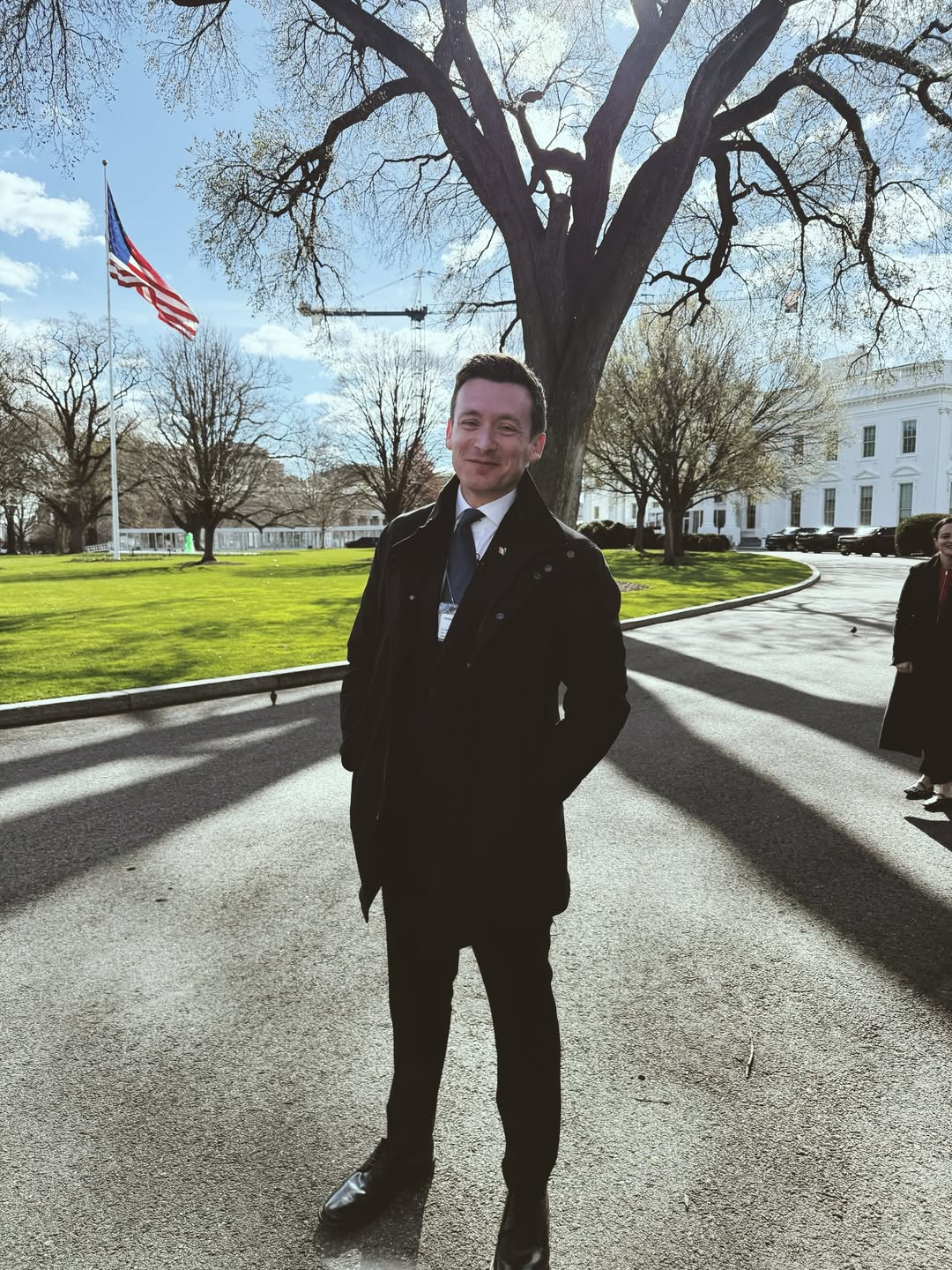
The one-off documentary was shot in Washington D.C. and Philadelphia during the Taoiseach’s visit for St. Patrick’s Day. In it, some of the senior figures in Capitol Hill and U.S. foreign policy are featured, some of whom we’re hearing from for the very first time in Ireland.
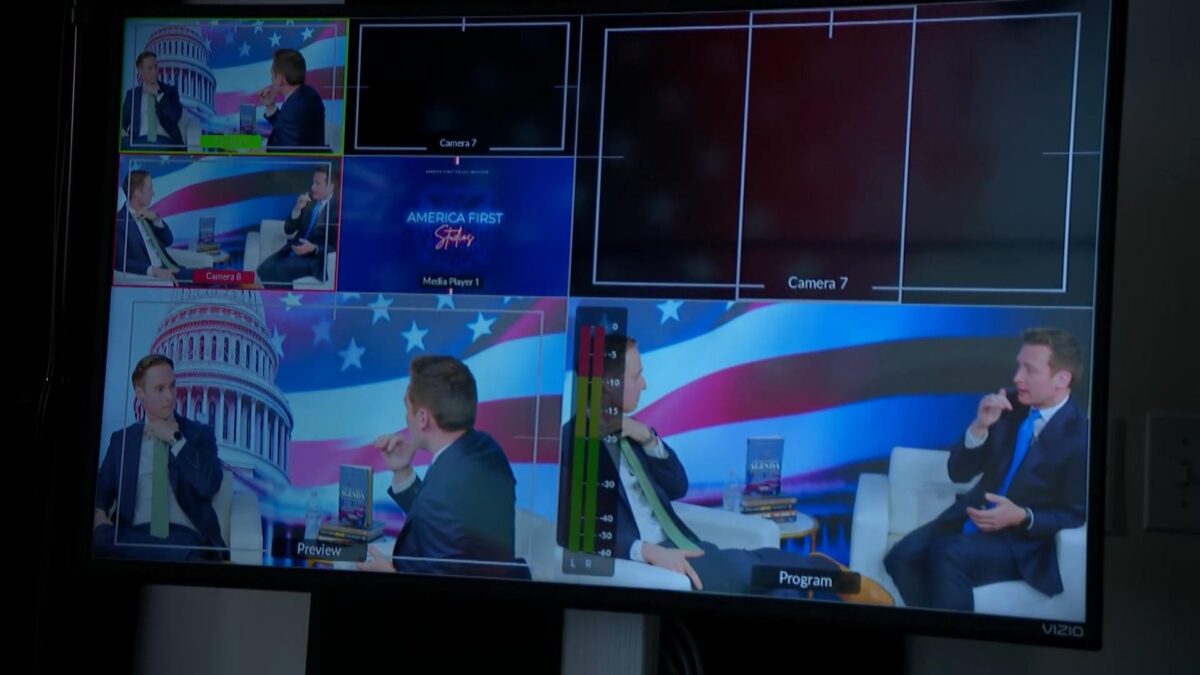
The man behind the documentary is Richard Chambers. The journalist and author, most recognised for his work as a news correspondent for Virgin Media News, said that being at Kamala Harris’s election watch party at Howard University in D.C. is what pushed him to create the programme.
“When I was at Kamala Harris’s election night watch party in Howard University in DC, and I was just watching the gloom of faces and the realization come over people. I was like, okay, I can understand what it means for these people here. What does it mean for our people back home?”, he tells us. We catch up with Richard to learn more ahead of tonight’s documentary.
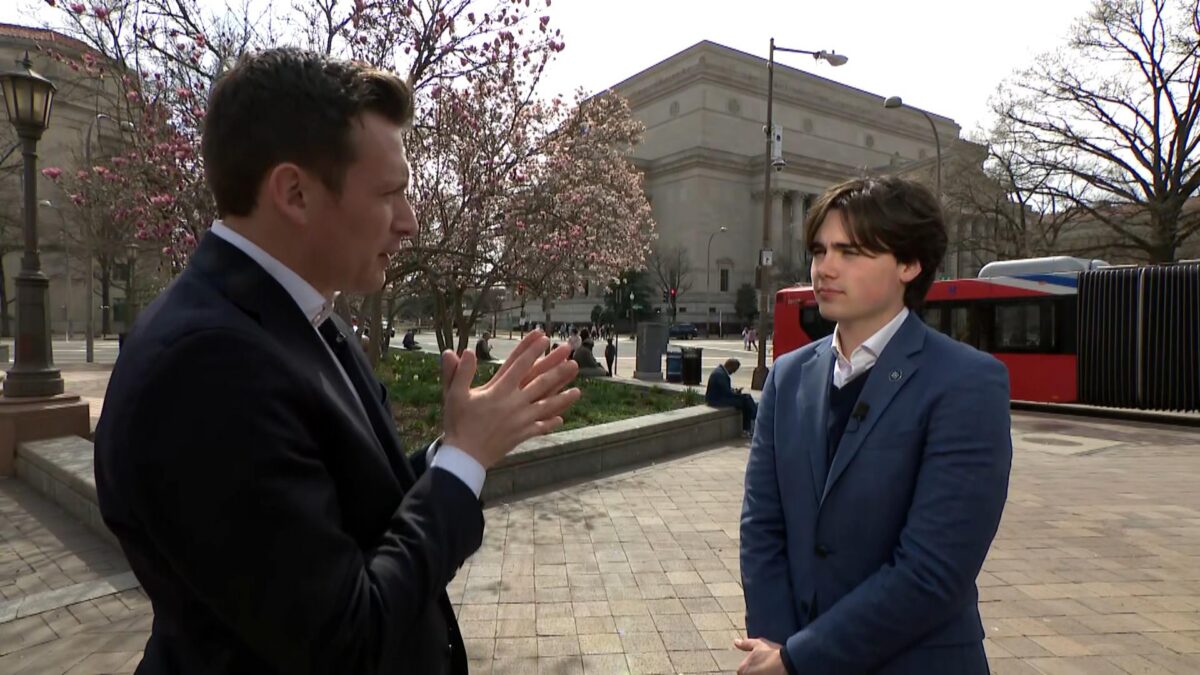
What are some things you learned in the process of creating the documentary that people might not know about Ireland’s relationship with the US?
We chatted to a number of key people in Capitol Hill and they have deep relationships with the US embassy here. So these are our friends, essentially, and acquaintances of the US Ambassador, Ed Walsh. The depth of understanding and the depth of knowledge, and its almost exploitable knowledge, amongst people who are either members of the administration or their allies in Capitol Hill.
The depth of knowledge that Ted Ellis (Campaign Director of Power America at America First Policy Institution) had about Ireland and our energy supply problem, the data centers issue, these guys are so clued in and they are looking to see how they could use our shortcomings and our infrastructural problems to their benefit.
Our people are often liable when we think about Irish America, how they view Ireland, that they think about us through very rose tinted glasses, it’s splitting the G and all that sort of stuff, but this is really, really in-depth political knowledge that they have.
The starkness of the language used, and the level of understanding that we are on the hook to the US government and to US companies, that they effectively, from their point of view, own our economy. That’s kind of worrying if anybody has that knowledge and is dangling it in front of you.
Donald Trump has created an intense media environment with how he speaks to and about journalists. How do you navigate creating a piece of journalism regarding politics and his administration in the sphere he’s created?
I think that any journalist in the 21st century develops a thick skin because there will always be, whether it’s people on social media or people who are involved in politics, a target in a way that it never had been before.
You trust that the journalism you’re doing is good, that you’re asking the right and tough questions, that you’re giving people the answers that they want. One of the people we interviewed in the documentary is Niall Stanage, a long-term Irish journalist on Capitol Hill. People might remember when he got into a row with Caroline Leavitt, in the White House briefing room, in which she called him a ‘left wing hack’ for his questions. He got involved in a couple of one-on-ones and chippy exchanges with Donald Trump as well. So you only have to look at Irish journalists over in the US, for examples of how the administration doesn’t like certain forms of questioning.
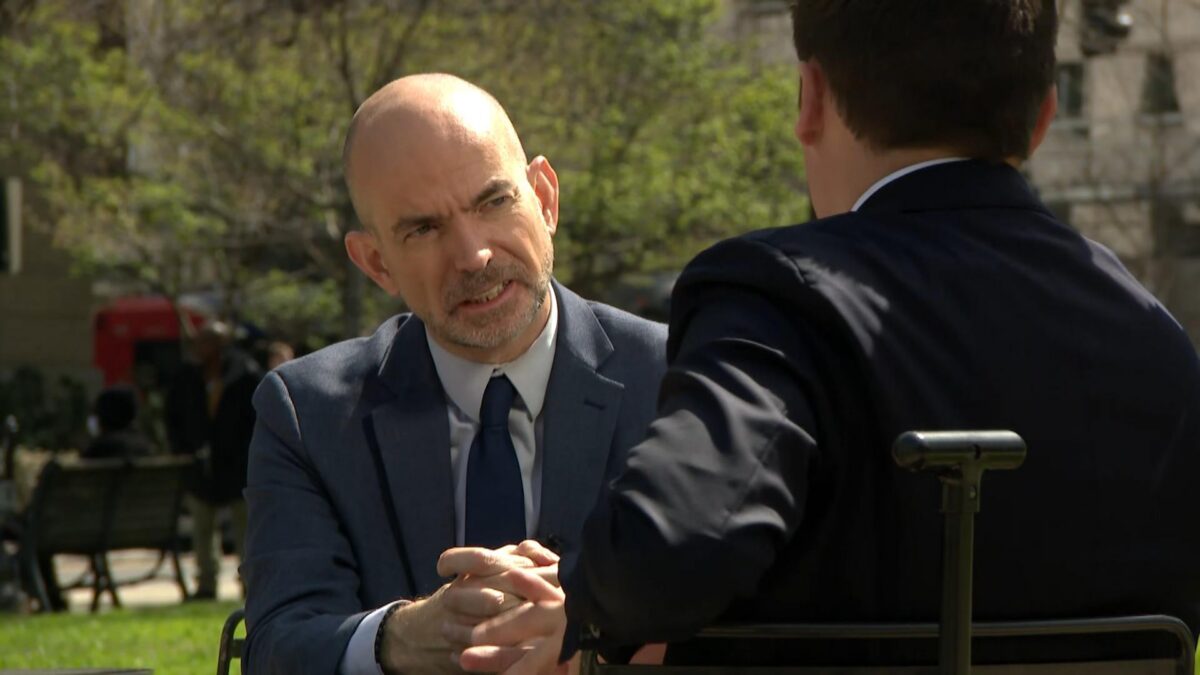
What is the biggest thing you hope people take away from the documentary?
That’s a question I was asking myself today because people were like, “I can’t believe this guy, who’s Rich McCormick”, he’s a Republican congressman from Georgia, and he actually was over here earlier this year watching the Six Nations, and he met a number of Irish politicians. But the way he looks at it is “we can turn your economy off like that”. Literally with a snap of his fingers, all those American companies, the Googles, the Apple, the Microsoft. We can turn that all off like that.
People were like, “why are you listening to this guy?”, “ Why are you platforming this guy?”, And I think that when you realize the way the world works is “might is right”, and that’s how the US government and the US government’s allies operate now. And that makes it very difficult for smaller countries like Ireland, which have depended a lot previously on soft power. If in a world where might is right, where does soft power play into this, and especially when we are so exposed? I think people should ask, “is this really a two-way relationship anymore?”.
This relationship has become a lot more complex and there’s no reason to take for granted that it’s going to be as smooth sailing as it was when Joe Biden or Barack Obama was here visiting or when Donald Trump is here, potentially for the golf later on this year. There’s a lot of smiles, there’s a lot of photo ops and handing over Shamrock bowls, but behind the scenes, things can be quite tense and I think that’s what people need to understand as well.