A healthy heart is crucial to a happy and healthy life. Leading Irish cardiologist, Dr Angie Brown shares how women can care for their hearts
Did you know that heart disease is the leading cause of death for women in Ireland. The stats currently sit at over 4,000 Irish women who die from cardiovascular disease (CVD) annually. That figure is six times higher than those who pass away from breast cancer.
Despite these shocking figures, awareness around CVD remains low. A recent survey conducted by Croí, the Heart & Stroke Charity in Ireland, and Global Heart Hub (GHH), found that 28% of women having never had a heart health check. Beyond that, only 3% of women could name all relevant symptoms associated with a heart attack in females. And only 1 in 2 were aware that the critical warning signs in women may differ from those in men.
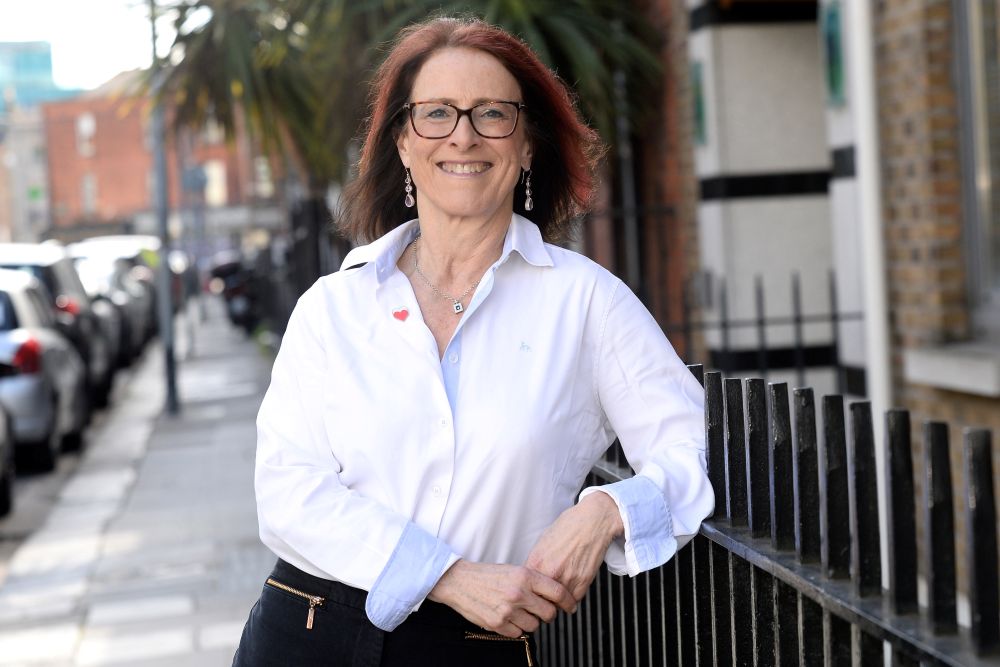
While it’s important to educate ourselves on the signs and symptoms of heart attacks and CVD, prevention is always better than cure. Here, Irish Heart Foundation Medical Director and consultant cardiologist, Dr Angie Brown, outlines the top ten things we can implement to protect and take better care of our hearts.
Control your cholesterol levels
Our bodies need a certain amount of cholesterol for normal cell function – a type of fat in our blood produced by the liver. One of the best ways to prevent cardiovascular disease is to keep your cholesterol at a healthy level. It is important to get your cholesterol checked, especially if a family member has high cholesterol, heart disease or has had a stroke. Ask your doctor about this.
Stub it out
One in every two smokers will die of a tobacco-related disease – it is a major risk factor for cardiovascular disease, including heart attack and stroke. For expert help, you can freephone the National Smokers’ Quitline on 1800 201 203 or visit www.quit.ie
Watch out for stress
Stress can be positive when it motivates us to get important things done but it can also take its toll when we constantly feel under pressure by too many demands. The Irish Heart Foundation’s website offers a number of approaches to help reduce stress, from talking to someone and being active to practising an abdominal breathing technique.
Get on the move
Regular physical activity is one of the most important things you can do to improve your overall health. Physical activity can help reduce blood pressure, cholesterol levels and weight, which can also reduce your risk of heart disease and stroke. Movement can also help to lift mood, reduce stress and improve self-esteem. Adults should be active at a moderate intensity for at least 2 hours and 30 minutes to 5 hours throughout the week.
Manage your blood pressure
Blood pressure is a measure of the force your heart uses to pump blood around the body. High blood pressure carries risks for heart attack, stroke, heart failure, kidney failure, dementia and some forms of blindness. People over 30 should check their blood pressure every five years or more frequently, depending on the advice of their healthcare practitioner. Get checked before damage is done.
Eat for a healthy heart
A healthy diet can help you be your best weight, reduce high blood pressure and help lower cholesterol levels. Everyone should aim for a well-balanced, healthy diet, you can refer to the food pyramid to plan your daily food choices.
Reduce alcohol
Less than 3% of Irish adults can correctly identify the HSE low-risk guidelines for alcohol consumption. Drinking above these guidelines can increase your chance of developing high blood pressure – one of the top risk factors for stroke. For women, consumption should be much less than the maximum limit of eleven standard drinks a week, while for men consumption should be much less than the maximum limit of seventeen standard drinks a week.
Learn CPR
Cardiopulmonary Resuscitation (CPR) is a simple skill that can help to save your life – and provide you with the tools to save someone else’s. It is a vital link in the chain of survival after a cardiac arrest. If you have been taught CPR, you are ten times more likely to respond appropriately in an emergency.
Find and aim for your best weight
Being at a higher weight means your heart has to work harder to pump blood around your body, which can cause wear and tear on your heart and blood-vessel system. Changing your eating habits and increasing physical activity can help you achieve your best weight. If you are overweight, check with your doctor if other risk factors are at play, such as high blood pressure, diabetes, high cholesterol or smoking.
Phone emergency services if you think you are having a heart attack or stroke
Thousands of people die from cardiac arrests annually in Ireland – and almost 70% of these happen in the home. Understanding the signs of cardiac arrest, particularly the signs in women, contacting the emergency services on 112 or 999 and using CPR could save your life or the life of a loved one.