
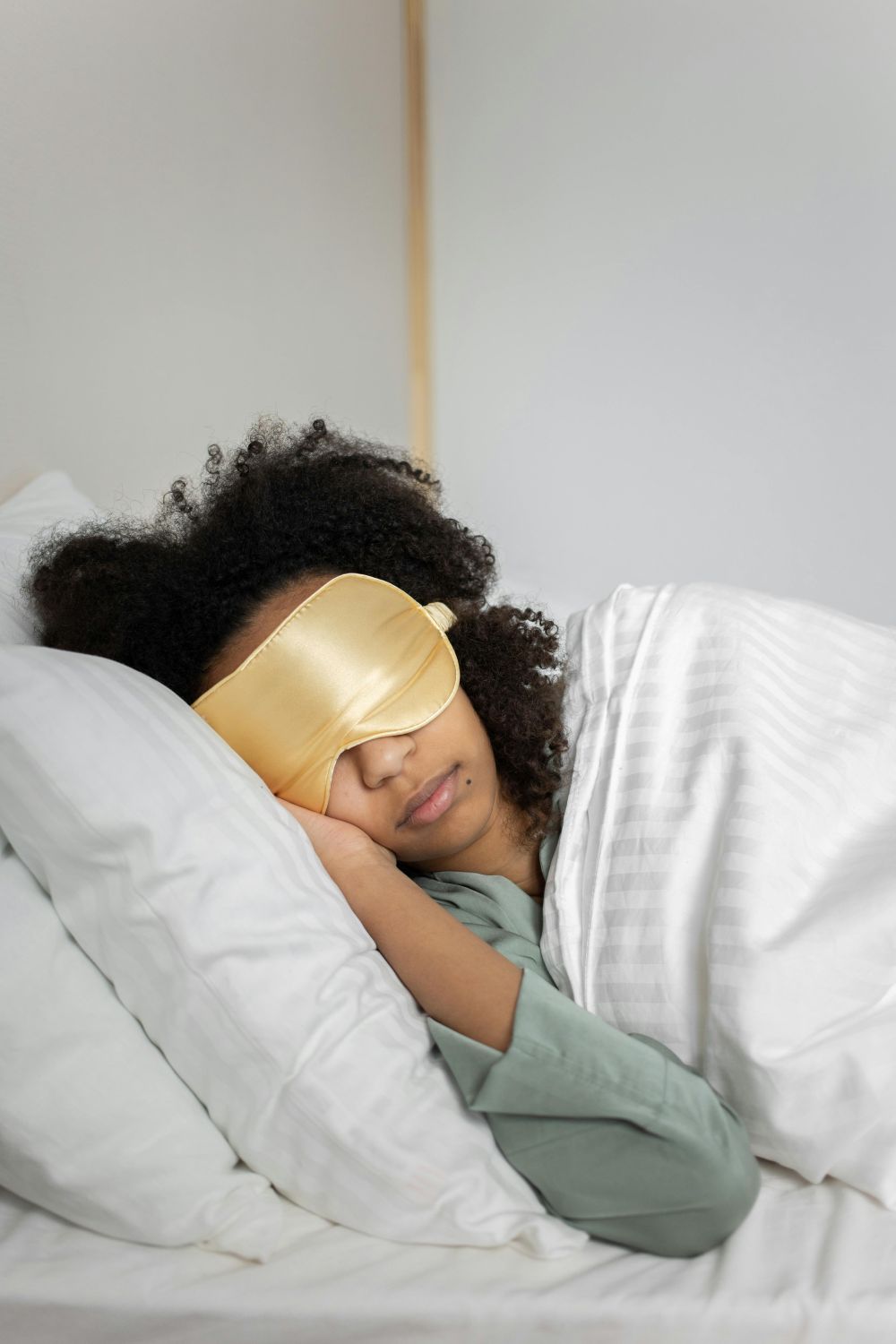
Getting in a full eight hours each night seems simple in theory but often tough in practice. Here an Irish sleep expert shares her top tips for a better night’s sleep
When is the last time you slept well? We’re talking eight plus hours of uninterrupted, good quality sleep.
If recent studies are anything to go by, Irish people are some of the most tired in the world. The average sleep duration for Irish adults falls between 6.5 and 7 hours and around 49% of people in Ireland wake up feeling tired almost every day.
So where are we going wrong? Chatting with Irish Sleep Consultant Lucy Wolfe, founder of Sleep Matters, she shares the importance of a good night’s sleep as well as tips to help us clean up our sleep schedule.

How important is a good night’s sleep?
Sleep is not a luxury, it’s a biological necessity. It’s when the brain and body do their overnight reset: memory and learning are supported, mood is steadier, and we’re better able to cope with stress. When sleep is poor, everything feels harder, we’re more reactive, less patient, and our capacity shrinks. Good sleep won’t fix every problem, but it gives you the best possible foundation to handle whatever life throws at you.
What kind of factors may disturb a person’s sleep?
People often think they have a ‘sleep problem’, but more often they have a nervous system that’s stuck in ‘on’ mode. Stress is a significant one, worry, a busy mind, emotional load. Then there are lifestyle factors like caffeine too late in the day, alcohol disrupting deeper sleep, irregular sleep schedules, and too much screen time in the evening. Environment matters too. Bedrooms that are too warm, too bright or too noisy. And of course, things like pain, hormones, snoring or sleep apnea can play a role. It’s usually a combination and that is why small, consistent changes can make such a difference.
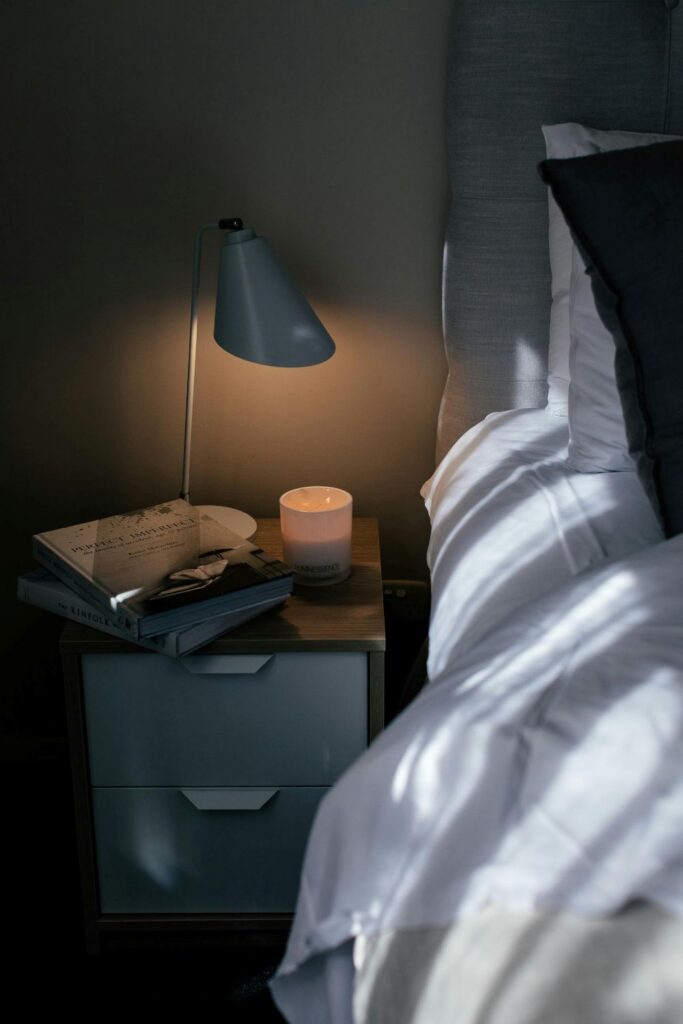
How does good sleep hygiene look?
Good sleep hygiene is really just setting sleep up to succeed. It’s not about being ‘perfect’, more about creating the right signals for your body clock and your nervous system. That looks like a consistent wake time, daylight early in the day, dimmer lighting in the evening, and a wind-down routine that helps you switch gears. It also means making the bedroom a place that supports sleep, cool, dark and calm and reducing habits that accidentally train your brain to associate bed with stress, like scrolling, emailing, or clock-watching.
Top tips for a good night’s sleep:
- Protect your wake time. This helps to anchor your body clock and helps sleep build naturally.
- Get morning daylight. 10-20 minutes outdoors can make a real difference.
- Create a wind-down routine. Your brain needs a buffer between day mode and sleep.
- Watch caffeine and alcohol. Caffeine can linger longer than people realise, and alcohol fragments sleep.
- Stop clock-watching. This fuels sleep tension and wakes the brain up.
- Be kind to yourself about sleep. The more we chase it, the more elusive it becomes. Consistency and calm win over force every time.