Irish gardening expert and TV personality Brian Burke shares his top tips for growing your own herbs this summer season.
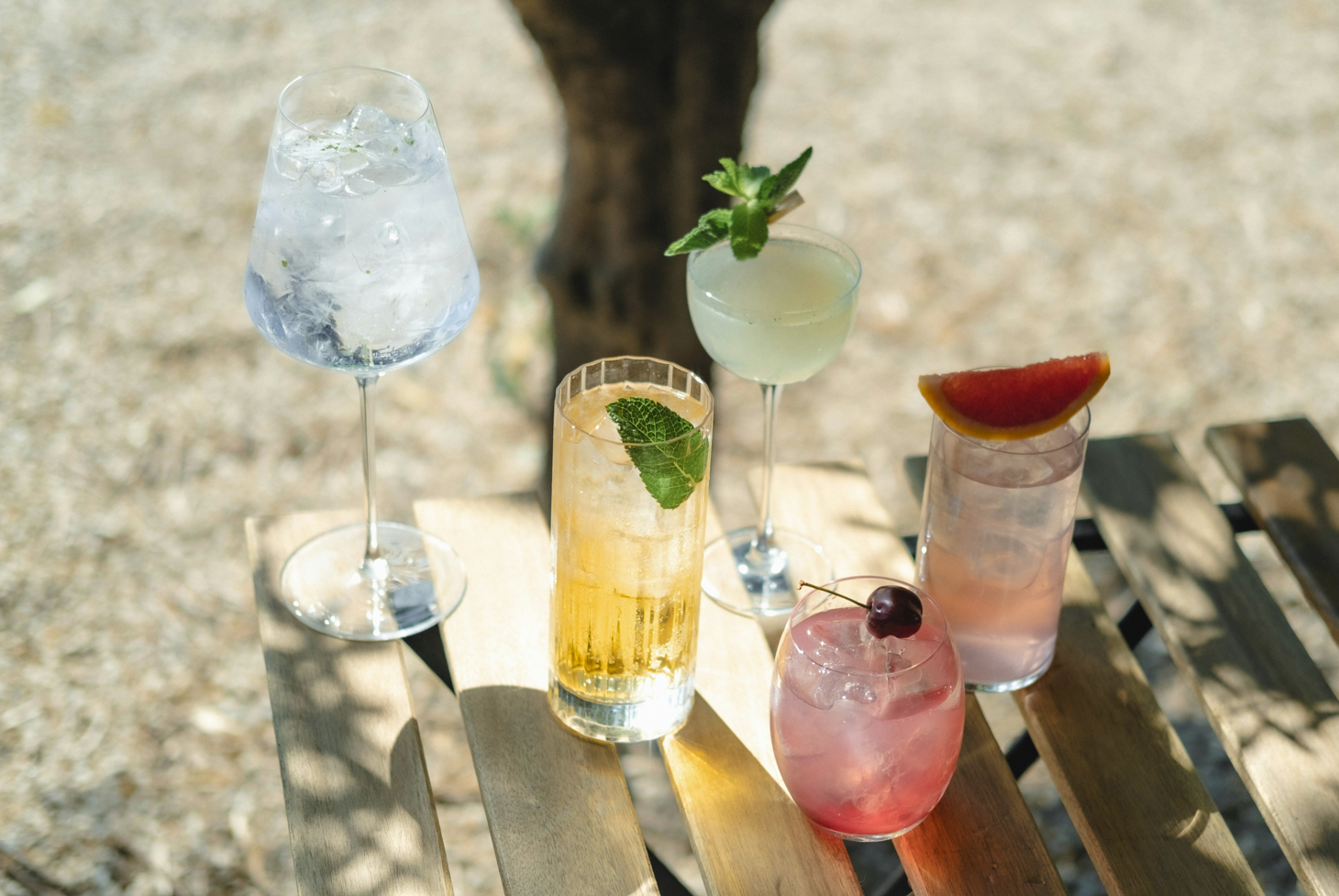
With the current spell of good weather encouraging us outside again, our minds have turned to our gardens; specifically, what we should be growing this season and how we can incorporate that into our summer cocktails.
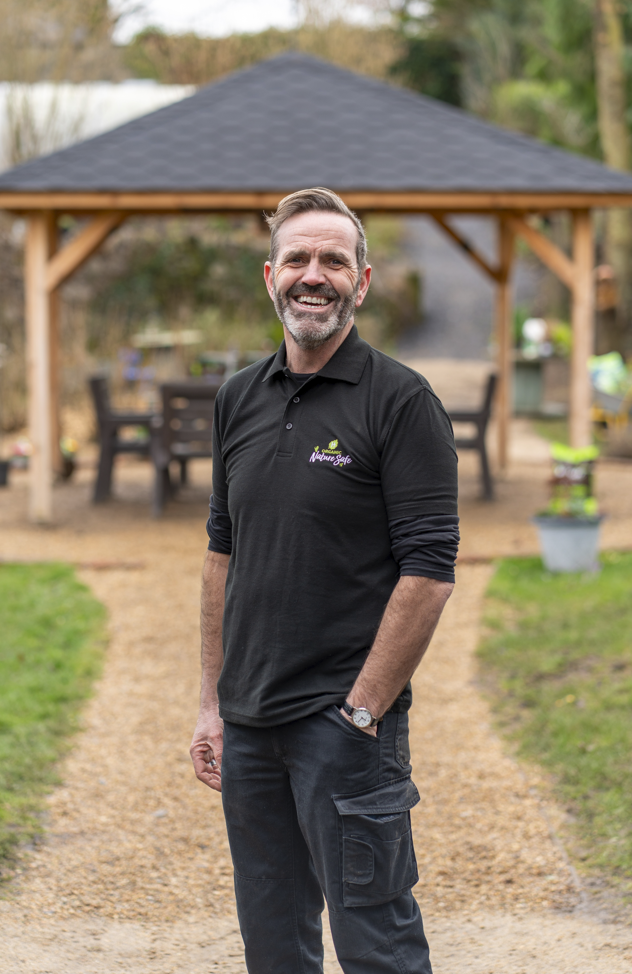
We caught up with Brian Burke, a renowned gardening expert – and judge on RTÉ’s Super Garden – to ask for his advice on the best things to plant, how to use your harvest in your home bar or kitchen and the mistakes to avoid.
For someone who wants to start growing herbs for summer cooking and cocktails, where should they begin? What’s the easiest, most foolproof setup?
Don’t overcomplicate it. The easiest, most foolproof setup is to start with pre-grown plug plants or small pots, rather than trying to start from seed. Grab a wide, shallow container with plenty of drainage holes, a bag of good-quality compost mixed with a bit of perlite and a sunny spot. Grouping a few herbs together in one decent-sized pot is much easier to keep alive than five tiny individual pots, which will dry out in no time.
If you had to choose a small, practical selection of herbs that work across both cocktails and cooking, what would you prioritise?
To get maximum bang for your buck in the kitchen and the bar, focus on the ‘Big Three’:
- Mint: The undisputed king of summer. Essential for Mojitos, but equally brilliant chopped into a fresh potato salad or leek and potato soup. Just remember that it will colonise the parish if allowed, so give it its own separate pot.
- Rosemary: Indestructible and woody. It pairs nicely with roasted meats and summer spuds, but a single singed sprig can also elevate a G & T or whiskey cocktail to a whole other level.
- Basil: Essential and versatile. The basil (obviously) in Black Pudding, Apple & Basil salad, but also the key component of homemade pesto and surprisingly delish when muddled with strawberries and white rum, or gin.
What are the key things people get wrong when it comes to light, watering, and positioning herbs at home?
The biggest mistake is killing them with kindness – more specifically, overwatering. Mediterranean herbs like rosemary, thyme and oregano hate sitting in soggy soil; their roots will literally rot. To avoid this, use the trusty finger test. If the top inch of compost feels dry, give it a drink. If it’s damp, step away.
When it comes to positioning, people often treat herbs like house plants; they’re not. They need sun, so put them in the sunniest spot you have. A shady corner will just give you leggy, pale, flavourless leaves.
As the herbs become more established, they will also benefit from an organic seaweed-based feed such as Nature Safe. Ideally, the time to feed is late afternoon towards evening, because it gives the soil more time to assimilate the nutrients, making them available to the plant when the sun comes up and photosynthesis begins the next morning.
For people in smaller spaces – balconies or windowsills – what actually works versus what just looks good on Instagram?
We’ve all seen the Pinterest-perfect photos: a lush, sprawling bush of basil sitting majestically on an indoor kitchen island, looking like it belongs in a Tuscan villa. The reality is that within a week, that basil is usually a sad, yellowing skeleton. Indoor countertops are where sun-loving herbs go to die, starved of airflow and subjected to wild kitchen temperature swings.
If you’re working with a compact balcony or a narrow windowsill, you have to trade the aesthetic for the practical. For tight-space herb gardening, move your plants to the exterior. Use hanging wall planters or strap sturdy window boxes to the outside of your window or balcony railing.
Moving your herbs outside gives them natural UV light and airflow to prevent root rot and mould. Thyme, chives, dwarf bush basil and curly parsley thrive in shallow window boxes. They can handle the elements and leave your counter free to use as nature intended – for storing your kids’ school bags, art projects and camogie gear!
Is there a right time to pick herbs for the best flavour? How should we be harvesting them?
Absolument! For maximum flavour, pick your herbs in the morning, after the dew has evaporated but before the heat of the midday sun starts to beat down. This is when the aromatic essential oils are at their most concentrated.
When harvesting, try to avoid stripping the leaves off the bottom of the stem. For herbs like basil and mint, pinch out the top stems just above a set of new leaves. This is essentially a haircut, encouraging the plant to branch out, stay bushy, and put on yet more lush growth.
What are a few simple ways to elevate a drink using herbs at home – syrups, infusions, muddling? Any unexpected pairings that work?
First of all, let me say that I am not a mixologist, but luckily, you don’t need to be to do this. What about this for a simple herb syrup: equal parts sugar and water boiled together, taken off the heat and left to steep with a handful of fresh rosemary or thyme for 20 minutes before straining.
For a hassle-free win, ‘slap’ your mint or basil before putting it in the glass – place the herb in your palm and give it a sharp clap. This bruises the cells and releases the aromatic oils instantly, without turning the leaf bitter.
For unexpected pairings, fresh thyme with grapefruit juice and vodka, or a sprig of rosemary in a dark chocolate espresso martini works really well. It sounds bonkers, but in the interest of research, I have just tried both, and I can attest.
How can people use the same herbs across both cooking and cocktails without them going to waste?
Get into the habit of viewing your garden and your kitchen as one ecosystem. If you’ve bought or picked a big bunch of mint for a Sunday roast lamb and have leftovers, don’t let them turn to slime in the fridge. Chop them up, pop them into ice cube trays, fill with water and freeze. You’ll have instant herb-infused ice cubes ready for Thursday night’s pre-kend drinks. Alternatively, any leftover woody herbs like rosemary and thyme can be dried out or stuffed into a bottle of olive oil to create an interesting, infused effect.
If you had one piece of advice for someone trying to grow herbs this summer, what would it be?
Use them. The more you harvest your herbs, the more they will grow. We are often afraid to cut them back too ruthlessly because we want them to have a certain look, but regular pruning will prevent your herbs from going to seed and getting woody. Treat them like a crop – harvest liberally and they’ll keep on giving.
Brian Burke is an ambassador for Nature Safe, the Galway-based range of natural, sustainable garden care products, which are enriched with seaweed, plant-based and organic, making them completely safe for children, pets, pollinators and wildlife. Registration is now also open to join Brian at his Sustainable Gardening Masterclass and Q&A session at the Nature Safe stand at Bloom on Friday, 29 May at 11.30am. Visit hygeia.ie/bloom-masterclass-registration to book your spot.