
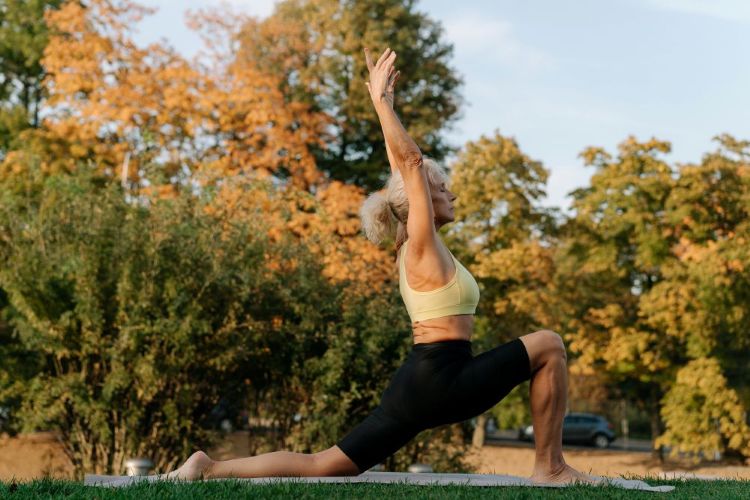
Osteoporosis affects one in three women over the age of fifty, here are ways to maintain healthy bones
Women are more at risk of developing osteoporosis than men as they age. The hormone changes that happen during menopause directly affect bone density. While oestrogen is essential for healthy bones, during menopause we see this hormone drop having a knock-on effect on bone density.
Because of that, it’s important to maintain strong bones so women don’t have to resign to painful breaks and fractures with age. Here are low effort ways to maintain healthy and strong bones.
Resistance Training
Research shows that postmenopausal women who incorporate regular strength training into their routine have greater improvements in bone mineral density in their hips, femur and lumbar spine. While all types of exercise is good for you, choosing one like resistance and strength training can work specifically for protecting bone health. Resistance training, also referred to as strength or weight training, involves using muscular contraction to build both strength and anaerobic endurance.
Resistance training can look different for everyone. If you’re not one for heavy weights in the gym, that doesn’t matter, you can resistance train by using your bodyweight for exercises like squatting and push ups, or you can experiment with new forms of exercise like Reformer Pilates.
Add weights to your walk
Simply going for a walk is a great way to improve your bone density. While you walk, your feet and legs are supporting your upper body, making them work harder and become stronger. You can amp things up even more by adding weights to your walk. light weights around the wrists or ankles or a light weighted vest can also improve bone density.
If you’re looking for other ways to get the most from your daily walk, read this.
Focus on protein intake
Protein is essential for building bone density, along with calcium and vitamin D. If you’re unsure where to begin with upping your protein intake, The National Institutes of Health recommend aiming for between ten to thirty five percent of your daily calorie intake. Foods such as meats, fish, beans and eggs are great sources of protein. In cases where supplementation are relevant, there are also great protein supplements that can be included in a balanced diet.
Evaluate your lifestyle choices
While you don’t need an overhaul of your lifestyle, looking at your diet and the way you live can help you to establish areas for improvement. Consuming alcohol within moderation is the best approach as consuming too much of it can interfere with the body’s absorption of calcium. Furthermore, Heavy drinking can lead to an imbalance between bone formation and resorption. Similarly, nicotine can also decrease absorption of calcium in the diet, necessary for bone mineralisation, smokers are more at risk of developing fragile bones. The nicotine in cigarettes also slows the production of bone-forming cells (osteoblasts) so that they make less bone.
Maintain a social life
Believe it or not, spending time with people who make you happy can lower your risk of developing osteoporosis. A study from PLOS One found that socialising with friends can lower your risk of the disease through positive behaviors like eating well and having fun contributing to better lifestyle habits and reducing the risk of depression and other mental health issues.