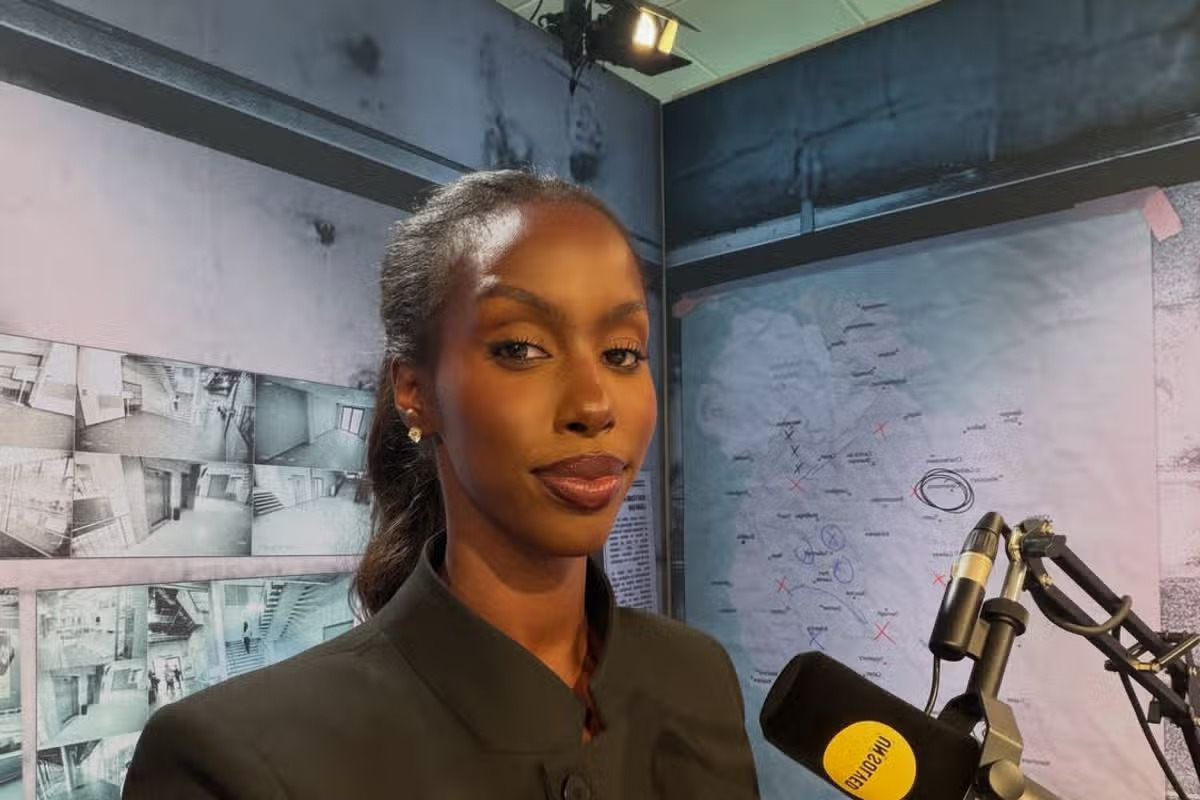
TV presenter Katja Mia opens up about her journey with endometriosis and the barriers put in many Irish women’s way.
Regular pain has been part of Katja Mia’s life since she got her first period at 13-years-old. From here, it wasn’t until she was 28 that she received an explanation for her pain – endometriosis.
Here, she speaks to us about her journey.
Tell us about your journey to receiving your endometriosis diagnosis.
It was a 14 year journey to receiving my endometriosis diagnosis. I got my first period aged 13 and almost immediately I began suffering with painful periods which I now know were endometriosis flare ups. It would be days going in and out of flare ups, experiencing debilitating pain, nausea, and the inability to walk and stand up at its peak. I was at the mercy of my period and I spent years going to GPs looking for solutions and the reason as to why my periods were so bad. It was usually the same reply, “period pains are normal” or “all women have to go through it” or “you’re one of the unlucky ones”. Intuitively I knew what I was feeling wasn’t right so I began searching for reasons why online and that’s when I found out about endometriosis. I paid for a private internal ultrasound at a fertility clinic as part of a fertility check I did at 28 and the consultant confirmed that he had spotted endometrium tissue on my ovary and confirmed my endometriosis. After 14 years of being told what I was going through was normal, I finally had an answer and I finally felt justified.
Since receiving the diagnosis, has anything changed for you?
The main thing that changed was my self assurance, it definitely got better when I realised that pushing for answers and being an advocate for myself worked. It also created a little fertility anxiety in me to be honest, as I know one of the risks in having endometriosis is fertility issues and I’m someone who has wanted to be a mum for a long as I can remember but I guess I’ll cross that bridge when I get to it.
You often speak about the importance of advocating for yourself and your health, can you share a little more about that?
I wholeheartedly believe that no one will care about your health more than you do. It’s so important that women are listened to and taken seriously in healthcare but it’s even more important that we listen to our bodies, it will always give us signals for when something is wrong. Women have been labelled as hysterical when it comes to our health for centuries and symptom dismissal is still prevalent in today’s society (it’s something I’ve learned through making this documentary) and unfortunately the more that women experience that they’ll start to believe that “it’s nothing” and that could cost them their health. So be the best advocate that you can be for yourself and don’t be afraid to ask for a second opinion.
What advice can you share with other women living with the condition?
The advice I would share with women who also live with endometriosis is to continue to push for answers and change. That is the only way we will see more funding going into specialist care which what Ireland needs. I would also advise women to seek community, I know it has helped me a lot. I feel seen now because I’m not alone and so many women understand what we have to suffer through. Endo Ireland is one organisation that offers incredible support and Her Voice Project too.
What, in your opinion does Ireland need to do to better support those with endometriosis?
More funding is needed for specialist care, the specialist hubs are understaffed and the waiting lists never ending. We are seeing so many Irish women having to travel abroad to the UK, Greece and Romania for care and it’s not fair on our women. I get dm’s of horror stories from Irish women who have endometriosis and have been waiting hours to be seen by consultants only to be sent home with pain killers and it’s devastating. We need more specialist hubs around the country for endometriosis and also more awareness around the condition so the diagnostic timeline reduces greatly.
Katja is the face of new Virgin Media One documentary: Health Hysteria: Are Women Being Gaslit?, an exploration of why so many women feel unheard and dismissed when seeking medical care.