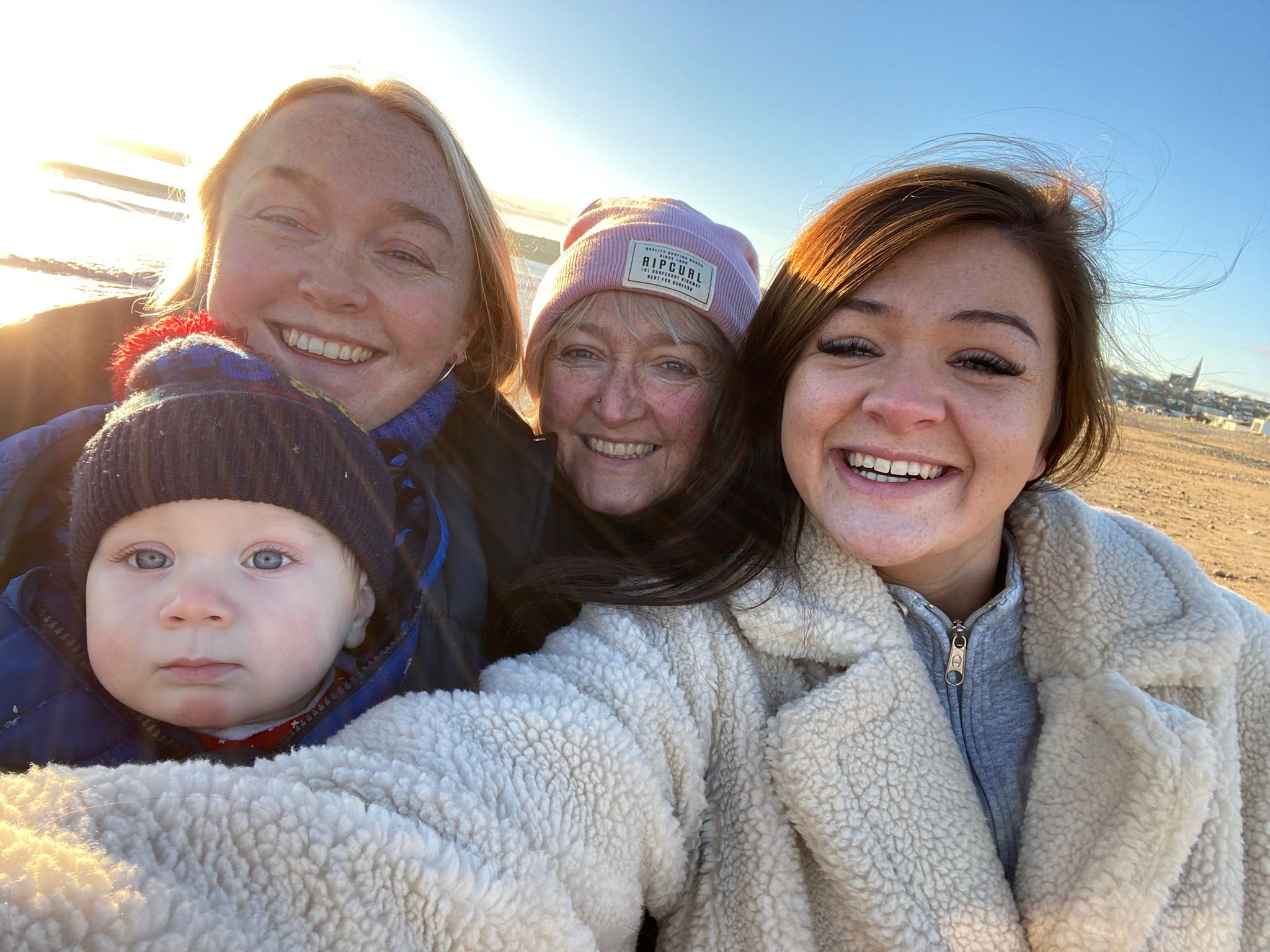
Mimi Laffan from Waterford is currently in remission after being diagnosed with multiple myeloma in 2023. She shares the mindset that helped her continue to live life to the fullest.
At 57-years old, Mimi Laffan is enjoying her life as any other woman her age. Devoting her time to her children and grandchildren, she finds joy in everyday things like exercising and finding community. Diagnosed with multiple myeloma in August 2023 after persistent infections and abnormal blood results, Mimi is now in remission, living with the incurable blood cancer.
Giving back to others as her own health stablises, Mimi has set up a local myeloma support group in Waterford and is also preparing for the Iceland Myeloma Cycle, a 100‑mile endurance challenge. Multiple Myeloma Ireland (MMI) recently ran a national awareness campaign to shine a light on multiple myeloma, its symptoms and the reality of living long-term with an incurable blood cancer. The campaign called “Rooted in Resilience” reflects the incredible resilience patients living with multiple myeloma show on a day to day basis.
Here, Mimi shares her story.
Tell us about your journey with multiple myeloma so far.
Before my diagnosis, I was living a very full and busy life. I work as a nurse, and like many women, I was used to just getting on with things – work, family, friends, and everyday life. I am a mother to my daughters Katie and Mollie, and a grandmother to Finn and Rua, and family has always been at the centre of my world.
In 2023, after a number of infections and not feeling quite right, I was diagnosed with multiple myeloma. It was a huge shock. I had heard of many cancers through my work, but myeloma was not something I ever expected to become part of my own life. When I started nursing in 1987, myeloma had a life expectancy of 3 years, I didn’t see a lot of myeloma patients in my career because it is rare, accounting for only 1% of cancers. The diagnosis brought fear, uncertainty and a sense that life had changed very suddenly, and I was running out of time.
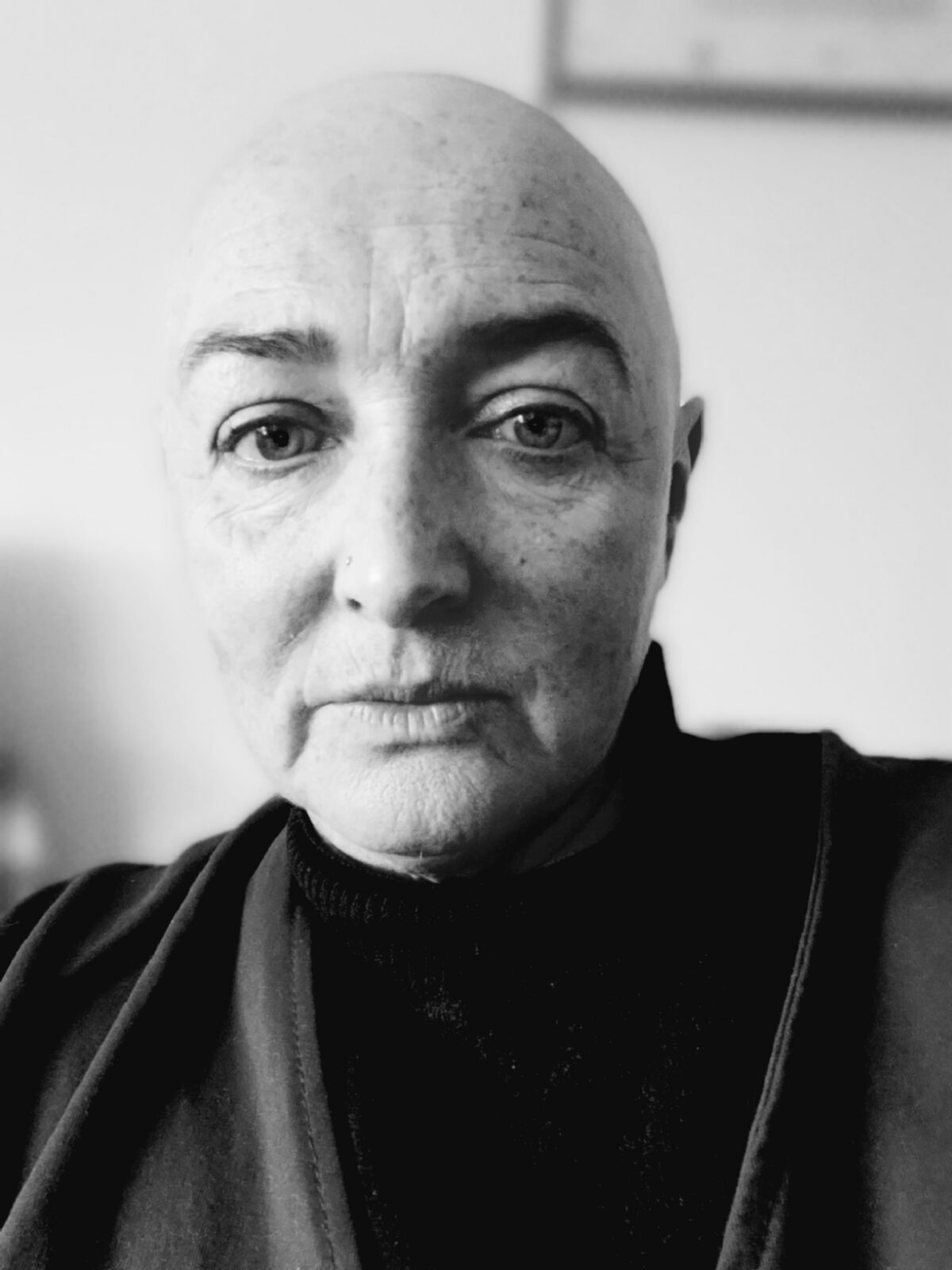
I went through treatment and had an autologous stem cell transplant in August 2024. That was a very challenging time physically and emotionally. Recovery takes patience, and there are days when you have to accept that your body and your energy are not what they used to be.
Today, I am in remission and on maintenance treatment. I have returned to work, I am cycling, fundraising, learning, advocating and trying to live as fully as I can. Myeloma is still part of my life, but it is not the whole of my life. I have learned that you can live with uncertainty and still have hope, purpose and joy.
What do you hope people learn from the ‘Rooted in Resilience’ campaign?
I hope people learn that resilience does not always look dramatic or heroic. Sometimes resilience is simply getting up, going to an appointment, asking a question, accepting help, or finding a small piece of normal life again after a diagnosis. Resilience and hope exist together but resilience is what keeps you rolling with the punches, dusting off and ploughing forward.
The “Rooted in Resilience” campaign is a beautiful way of showing that people living with multiple myeloma are more than their illness. We are still growing, still contributing and still finding beauty in life. I also hope the campaign helps raise awareness of multiple myeloma, because many people have never heard of it until it affects them or someone they love.
At Irish Country Magazine, we’re big believers in joy and finding small but meaningful moments of it as often as possible. What are your sources of joy?
My biggest sources of joy are my family, especially my daughters Katie and Mollie and my grandsons Finn and Rua. Time with them reminds me what I am striving for and what really matters.
I also find huge joy in being outdoors. Walking, cycling, being in the garden, or simply noticing nature can really ground me. Since my diagnosis, I think I appreciate those ordinary moments much more – a sunny day, a walk, a cycle where my body feels strong, time in the garden, or a laugh with family. I embrace the joy in the ordinary.
Another source of joy has been connection. Meeting other people affected by myeloma, taking part in advocacy, and setting up a support group in Waterford has given me a real sense of purpose. There is comfort in being with people who understand, and there is joy in feeling that something positive can come from a very difficult experience.
You are cycling 100 miles across Iceland in August to raise funds for the International Myeloma Foundation. How is prep going?
After my diagnosis and treatment, I felt very strongly that I wanted to give something back. So much of my hope has come from research, education, advocacy and from organisations working to improve outcomes for people with myeloma. The International Myeloma Foundation does incredible work in this area, and I wanted to support that.
The Iceland cycle felt very meaningful because Iceland is also home to the iStopMM study, which is an extraordinary research project looking at screening and early detection of myeloma and its precursor conditions. The willingness of the Icelandic people to take part in that research is inspiring, it feels like a national act of solidarity that could help patients all over the world.
The cycle itself is 100 miles across Iceland. We will be dealing with gravel and off-road routes, elevation and changeable weather. The preparation has involved building up my cycling, walking, doing strength work and learning to listen carefully to my body. Since my transplant, I have had to respect my energy levels and not push blindly through fatigue.
For me, this cycle is about more than distance. It is about moving from being a patient to becoming an active participant in hope, research and change. It is also a way of saying thank you to my family, friends, medical team, and everyone who has supported me.
What is the most important thing you want people to know about multiple myeloma?
The most important thing I want people to know is that multiple myeloma is a serious, currently incurable blood cancer, but there is also real hope. Treatments have improved hugely, and research is moving quickly. People are living longer and better lives with myeloma than ever before.
I would also like people to know that the symptoms can be vague. People may have repeated infections, bone pain, back pain, fatigue, anaemia, kidney problems or high calcium levels. It can be easy to put symptoms down to age, stress or being busy, so awareness is very important.
For patients, I think knowledge is powerful. Understanding your disease, asking questions and knowing that you are allowed to be involved in decisions about your care can make a big difference. Myeloma can take away your sense of control at the beginning, but information and support can help you regain some of that.
Lastly, what words of encouragement or support do you have for others in the early stages of their diagnosis?
In the early days, it is completely overwhelming. You hear words you may never have heard before, you are given information very quickly, and your mind can go to frightening places. My advice would be: take it one step at a time.
You do not have to understand everything on day one. Bring someone with you to appointments if you can. Write down your questions. Ask again if something is not clear. Accept help, even if you are used to being the person who helps everyone else.
I would also say: hold on to hope. A myeloma diagnosis changes your life, but it does not mean your life is over. There can still be good days, laughter, purpose, family moments, work, travel, exercise, friendship and joy.
Try to connect with others who understand whether through a support group, a patient organisation or another person living with myeloma. You are not alone, and there is a whole community of people walking this road with me.
If I could sum up my message, it would be this – myeloma has changed my life, but it has also shown me the strength of community, the importance of research, the power of hope, and the joy in the ordinary.
Find out more about Myeloma Ireland’s campaign and the supports available from Myeloma Ireland at: https://www.multiplemyelomaireland.org/.