Meet the Irish choreographer who has been making dance inclusive for the past decade.
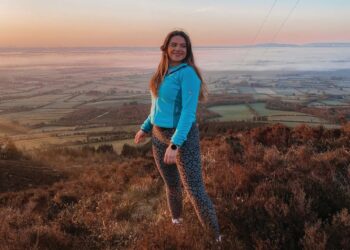
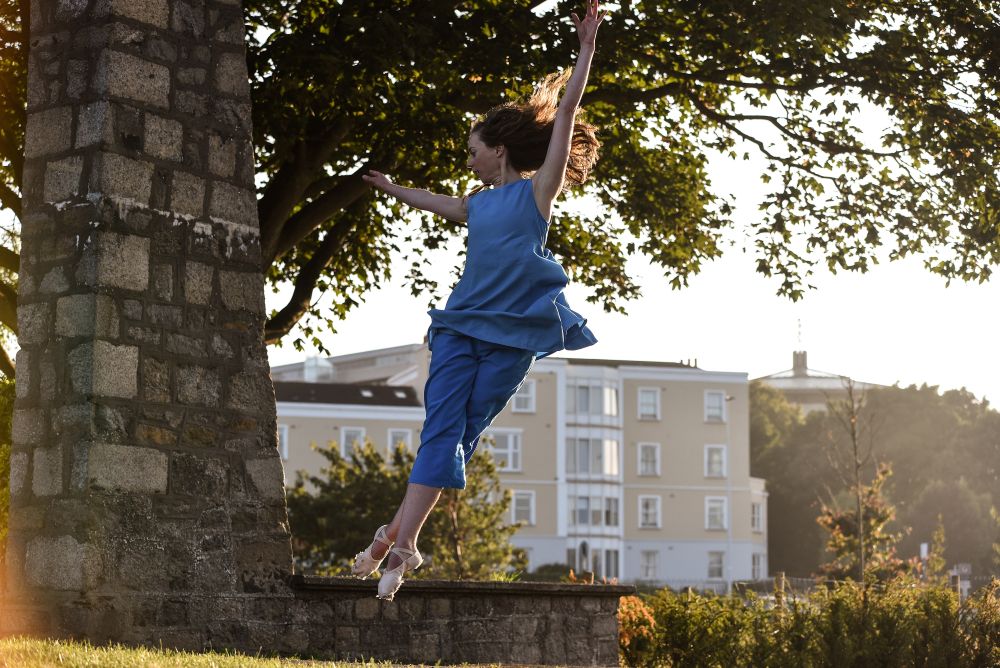
Laura Sarah Dowdall is an Irish dance artist creating experiential, immersive work integrating spoken word, film and site-specific performance.
One of her most notable and meaningful works is the Running Blind Dance Project which has been ongoing since 2015. If you’ve never heard of it, it’s a dance project which works with deafblind and blind communities around the country to create inclusive dance performances for blind and visually impaired audiences. The project seeks to make dance and its performance accessible to people with visual impairment and has gone from success to success over the past decade.
Marking the project’s next residency in The Gate Theatre this December, Laura and her team of dancers have developed new work through the Arts Council’s Dance Artist Residency Scheme, in partnership with Dublin City Council. We catch up with Laura ahead of the show’s run.
Tell us about yourself and your journey into dance and choreography?
My work moves between contemporary dance, inclusive and socially engaged practice, immersive performance, audio description and film. I trained in ballet from the age of four, and I’m told I begged my parents from nine years old to send me to Russia! In my early twenties, while living in Boston, I joined Boston Ballet’s professional morning classes, where the encouragement of the teacher there inspired me to focus on dance as a career. On my return to Ireland, I went into full-time dance training at Inchicore College before going to the Scottish School of Contemporary Dance and then on to live and work in Berlin. Berlin was where I grew as an artist and discovered the potential of dance as a tool for radical change and social impact.
I returned to Ireland in 2015 after a serious bike accident, which made me even more aware of the subtle sensing of the body. I began running movement research labs with performers, exploring how sensory awareness can shift how we perceive, relate and communicate with each other. My research made me curious about the role of vision, so I sought to meet people with visual impairment, I approached the Anne Sullivan Centre for the Deafblind in 2015 to collaborate and learn from people with dual sensory loss and the non-verbal communication methods they rely on. Ten years on, I understand what I love about dance; that it is an embodied non-verbal way of communicating not limited by words or reason.
How did the idea for Running Blind come about, and what was the original vision for the project?
Running Blind was originally the title of a performance I presented at Scene and Heard Festival in Smock Alley in 2016, inspired by my collaboration with the Deafblind community.
What began as an initial research project (supported by Create) soon expanded to a curiosity to bring more people with visual impairment into the research process, so in parallel to working with the deafblind I began open workshops for anyone with visual impairment and sighted people interested in learning more through the medium of embodied research and exchange.
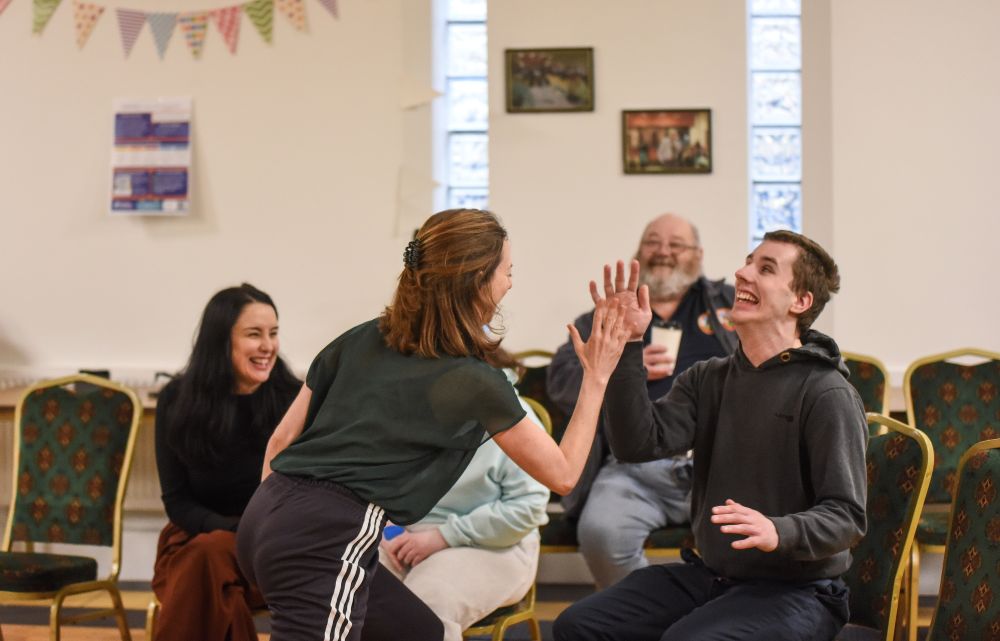
In 2017, during a dance residency at Rua Red I presented the first fully inclusive dance performance created with and for visually impaired people in Ireland – this was an exciting landmark moment that came about through raw grit, zero funding and pure determination. Without planning it, the project has become a grassroots movement for inclusive dance that uses access as a choreographic tool.
Has the project challenged any preconceptions you previously held about dance, either as an art form or as a profession?
The biggest realisation has been that dance is an embodied art form first and foremost. Even when people watch dance, they connect with it through the mirror neurons in their own bodies, which fire in response to the movement they see. Dance is so much more than a visual art form, and through movement, contact and partnering it can offer so much to people who cannot see it.
In the same way, sighted audiences can experience more from dance through a multi-sensory approach. I have adapted what I learned from social haptic communication to make dance a whole-body experience: spatial mapping on your body, the performer’s movements reflected on your arm, dynamics and qualities expressed through informed touch. This isn’t just for blind people – even the terms “inclusive” or “integrated” can limit a work’s audience. This is a performing art form that uses all of the senses to bring the full potential of dance to life.
What might the public learn from this showing?
It’s a chance to experience the fruit of over ten years of collaboration with the Deafblind and visually impaired communities, and to see access not as an add-on but as a dramaturgical tool that opens up greater creative freedom. Whether you are visually-impaired or not, you’ll encounter movement through description, sound, voice, text and touch, not just through what you see. Sighted audience members often tell us that hearing the dance described changes how they perceive it; they notice things they would otherwise have missed.
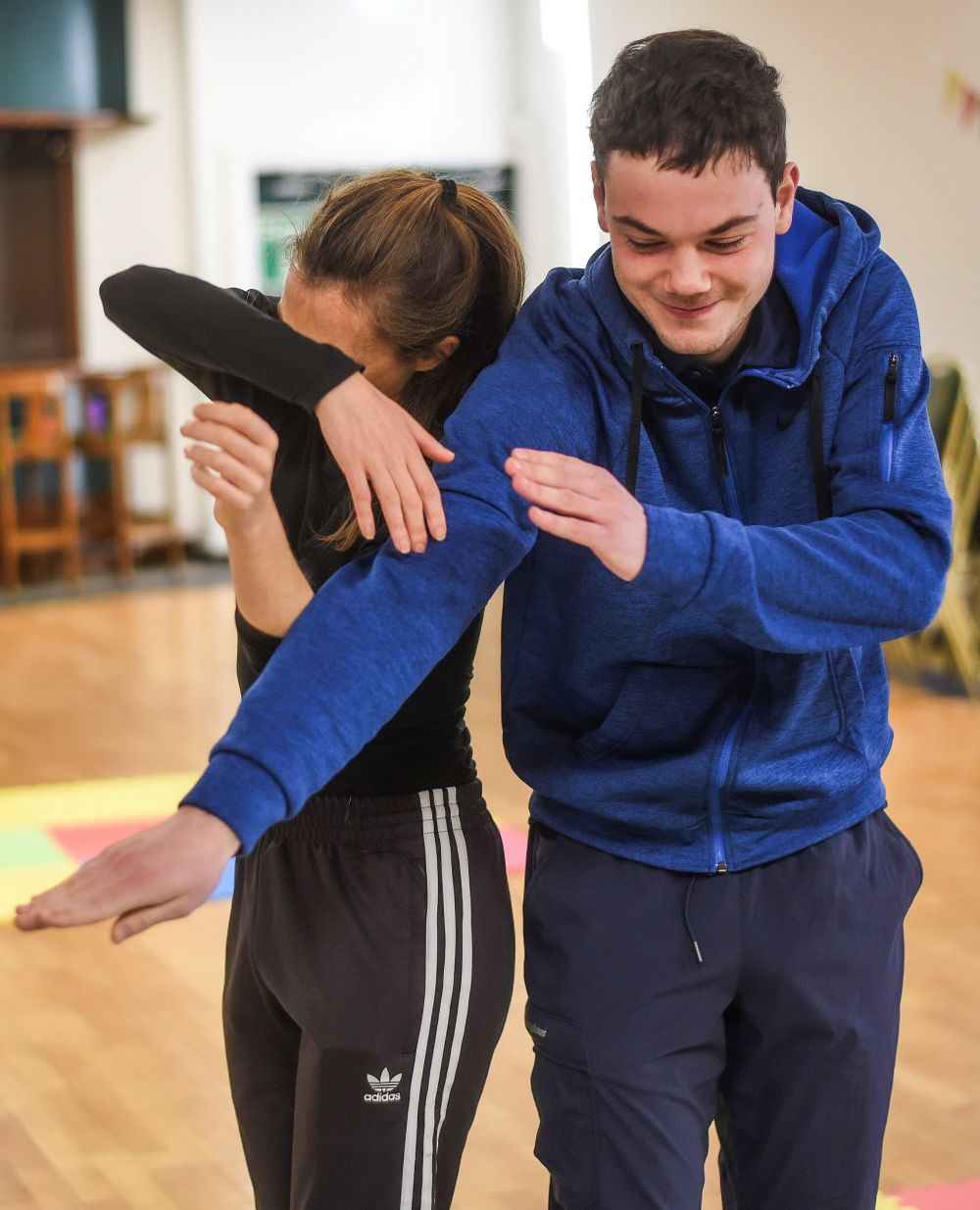
It’s also an opportunity to highlight the immense skill and expertise of the VI community, and what they can share with the sighted population about building a more person-centred society. It’s easy for life to get busy. This work reminds us to take time to listen, feel, sense and remember what really matters.
What advice would you give to other artists who want to make their work more accessible but aren’t sure where to begin?
The best approach is one that allows all possibilities to emerge in the room. I always see the potential in every person I work with – there is never a challenge to overcome, only a way to learn and create together. A collaborative approach built on shared learning and co-design takes more time, but it offers something so much richer than arriving with preconceived ideas about what you want to create. Follow your instinct and interests. What makes you curious, and which communities can you learn from? Invite people to co-create. Disabled artists and participants are experts in their own experience. Make space for them to shape the work and credit them for it.
You’ll also need to give time and budget for it. Inclusive work needs longer timelines, accessible venues, transport and support workers, so build those costs into funding applications from the start. Accessibility isn’t a single project. It’s a long-term journey that equally challenges and rewards your perseverance. Invest in your own learning too. Training in audio description, haptic communication or access practice can transform how you create and, honestly, how you experience and perceive your daily life.
For tickets to Running Blind, head to Gate Theatre Dublin.