As hayfever season approaches, here are some measures you can put in place to minimise your symptoms.
While many people welcome the beginning of spring and summer, grateful for highest temperatures and longer nights, for hayfever sufferers its a bittersweet time of year.
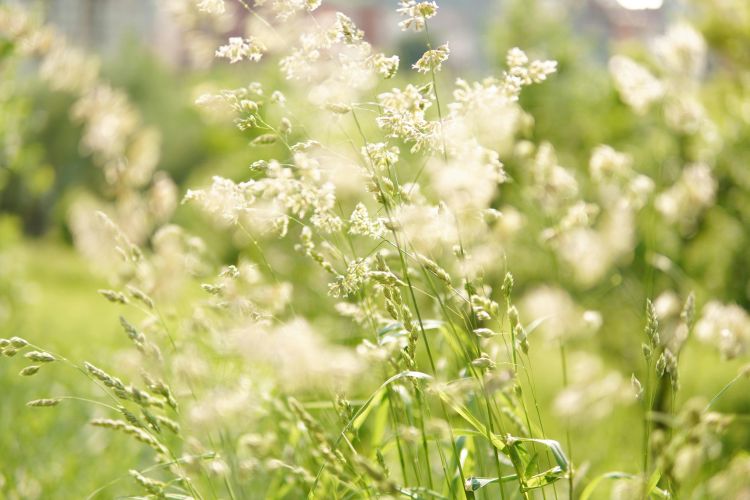
That’s because of pollen which, for someone with hayfever, the body over-reacts to. This is where the immune system regards pollen as dangerous and so does everything it can to prevent it from harming the body. The result of this are symptoms like inflammation, skin irritation, swelling, itching, sneezing, runny nose and watery eyes for the sufferer.
These symptoms happen as part of your body’s defense system but for those dealing with it, it’s extremely frustrating. While we can’t control what happens outside, we can take charge of our inside our homes.
Nutritionist Alison Cullen from avogel.co.uk shares the best ways to make your home a pollen-free zone.
Entering and Exiting
“With pollen circulating the air outdoors, it is important that you take care to watch what comes and goes from your home,” she begins.
Shoes – When you’ve been outdoors, take your shoes off before re-entering the house and don’t bring them inside. Therefore, if you’ve picked up any pollen on your soles whilst out, you won’t then tread it around the house and worsen your symptoms.
Jacket – Take your jacket off and give it a shake before coming back inside. This will help to leave pollen outside where it belongs rather than bringing it indoors where it can intensify your symptoms.
Clothing – If possible, change and wash your clothes as soon as you return inside. Once again this will prevent the spread of any pollen that may have attached itself to your clothes whilst out.
Bedding
“The average person spends a third of their life asleep so, with all that time in bed, it’s extremely important to be able to take control of your hayfever there”.
Allergy proof – To help your hayfever it is worth trying allergy-proof bedding or, as it is sometimes known, mite-proof bedding. This helps to keep allergens out so that you can get the best sleep possible.
Washing hair – During the day pollen can easily attach itself to your hair without you knowing, especially if your hair is long. Therefore, it’s a good idea to wash your hair before going to bed to get rid of any. If you don’t it will transfer to your pillow and irritate your hayfever symptoms.
Washing sheets – If you have hayfever you should try to wash your bedding regularly to get rid of any pollen that may have become attached. However, even if you don’t change all of your sheets, all of the time, it’s a good idea to at least change your pillows twice a week to ease your symptoms at night.
Pets
“Pollen can easily become attached to pets whilst roaming gardens and parks during the spring and summer months. Then, when they return inside, this pollen can easily spread as they make their way from the food bowl, to their basket, to your extremely comfy pillow. No one wants to restrict their pet to the garden just because it’s hayfever season, however, there are a few things you can do to prevent your pets from making your hayfever symptoms worse”.
Bedroom restriction – Every animal lover enjoys lying in bed having a cuddle with their cat or their dog. However, unfortunately during hayfever season this is something that is best avoided. As mentioned, pets can easily catch pollen in their fur whilst outside and by letting them on your bed, it will soon transfer there. So, I’d advise keeping your bedroom door shut to all pets during the warmer months. Remember – this includes when you are out as pets, especially cats, will only sneak in otherwise.
Blankets – It’s a good idea to use throws for your sofa and chairs during hayfever season. Therefore, if pets sit on them, the pollen gets transferred onto the cover rather than directly onto the chair where it would be more difficult to get rid of. After all, a cover can be thrown directly into the washing machine and a chair cannot.
Bathing – On days where the pollen count is high, I’d advise that you wash your pet after they have been outside. Also, if possible it’s best to do this before it comes into the house to prevent the pollen from transferring indoors. Nevertheless, I appreciate that you can’t exactly to this every time your pet goes outside so brushing them or giving them a wipe with a damp cloth would work well too.
Housekeeping
“Housekeeping can be an important part of keeping your hayfever symptoms in check. From dusting to vacuuming, there are various ways you can do this”.
Hoover – Using the vacuum cleaner regularly helps to catch any pollen that may have found its way into your home (despite all the measures listed above). Aim to do this regularly for the best chance of easing your hayfever symptoms. Also, when you come to empty your vacuum cleaner I’d advise you wear a mask and do this outside, otherwise this is the perfect opportunity for pollen to worsen your symptoms.
Dusting – This is also key to improving hayfever but stay clear of regular feather dusters as rather than trapping dust, this just moves it to another area. A damp cloth works much better.
Washing – In order to contain the spread of pollen inside your home, it’s best to dry your washing indoors. This stops it from collecting pollen whilst hanging out on the washing line.
Plants and Flowers
Ok, this one might seem a little obvious, so I’ll keep it short! Fresh flowers are a no-go for anyone with hayfever for obvious reasons – it’ll only make your symptoms worse! If you’d like a little bit of colour to decorate your home with, then artificial flowers will work just as well. Remember though – keep that damp cloth handy to prevent them from gathering dust.
Windows
In the warmer months it can be tempting to throw open all the windows and doors to bring in the fresh air but, you’ve guessed it, this will not do your hayfever any favours. Instead, it will only bring pollen into the house and make sneezing, congestion and watery eyes worse.
Opening and closing windows – The solution would be to keep your windows shut but this is hard when the air around you is humid. So, if you do want to let some air in, open the windows in the evening or at night when the amount of pollen in the air will be lower.
De-humidifier – It may also be worth investing in a de-humidifier for your home. This reduces humidity levels to make the environment less suitable for allergens. This system also helps prevent mould which could worsen the symptoms of hayfever.