
In the May|June issue of Irish Country Magazine Leonie Cornelius is taking us through how to create a DIY pollinator-friendly border, for life to thrive in your garden.
One of the great joys of planting a garden is the sheer number of possibilities it offers. There are so many planting styles to choose from. Some are structured and calm, others loose and expressive. Some feel deeply rooted in place, others evoke memories of warmer climates and slower days. For many people, this abundance is exciting. For others, it can feel overwhelming.
Over the years, one of my favourite approaches as a designer has been creating planting schemes that are guided less by strict rules and more by wild connection. Schemes that invite wildlife in, support pollinators and are filled with plants that genuinely bring joy. There is something grounding about sharing space with insects and animals, noticing who arrives and how the garden responds over time.
How to build a wild-inspired pollinator border
So, what’s a good way to get started? I think a nectar-rich, naturalistic planting scheme works so beautifully in many gardens. Together with the horticulturalists at Tirlán CountryLife, I have explored how to bring this fun approach into your garden this season.
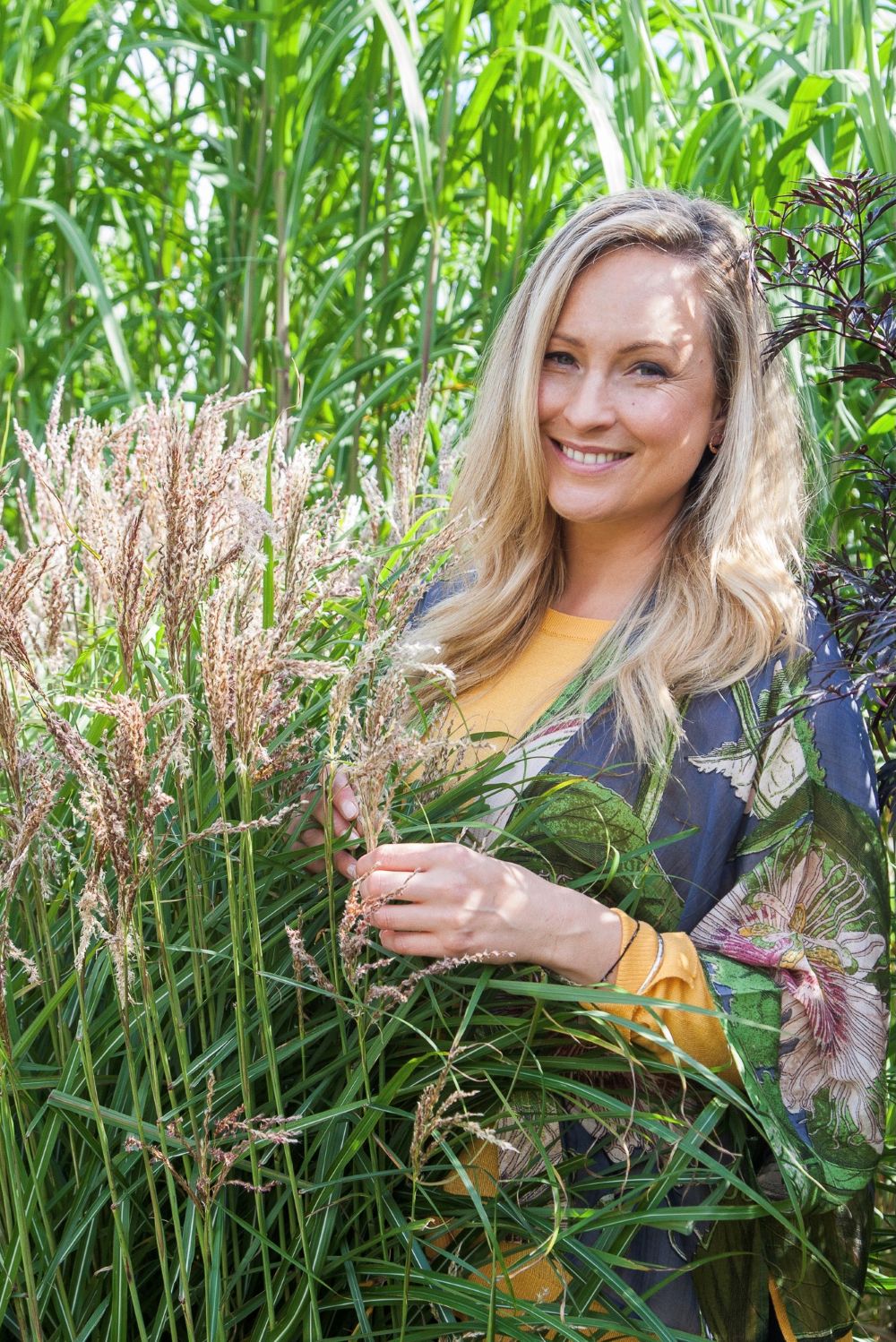
Rather than thinking in terms of individual plants, it can be helpful to think of planting as a quiet system that repeats and evolves. The most successful borders tend to have a calm underlying structure, with moments of energy and colour layered through it.
1. First add structure
Evergreen plants at the front and back of a border help anchor the space and give it presence in every season. Low, spreading plants such as creeping rosemary soften edges and paths, while taller shrubs at the back offer shelter and a feeling of enclosure. This framework allows more expressive planting to sit comfortably rather than feeling scattered.
The Horticulturalists at Tirlán CountryLife recommend: Yew (Taxus) or Buxus for formal structure, Holly (Ilex) or Mahonia for winter interest, Pittosporums for varied leaf pattern, and Rosmarinus officinalis, Sarcococca or Daphne for fragrance. Mahonia and rosemary provide valuable nectar at quieter times of year. Aim to provide something in flower across all seasons, so pollinators are supported year-round.
2. Now for some texture
Grasses play an important role here, not as accents but as connectors. They bring softness, movement, and rhythm as the seasons change, helping different areas of the border flow into one another.
The Horticulturalists at Tirlán CountryLife recommend: Miscanthus sinensis varieties to rise above the border, Stipa gigantea as a focal point and Stipa tenuissima woven through the mid and front edges for lightness and cohesion. While grasses aren’t nectar-rich, they provide shelter and overwintering habitat for insects.
3. Shape and movement
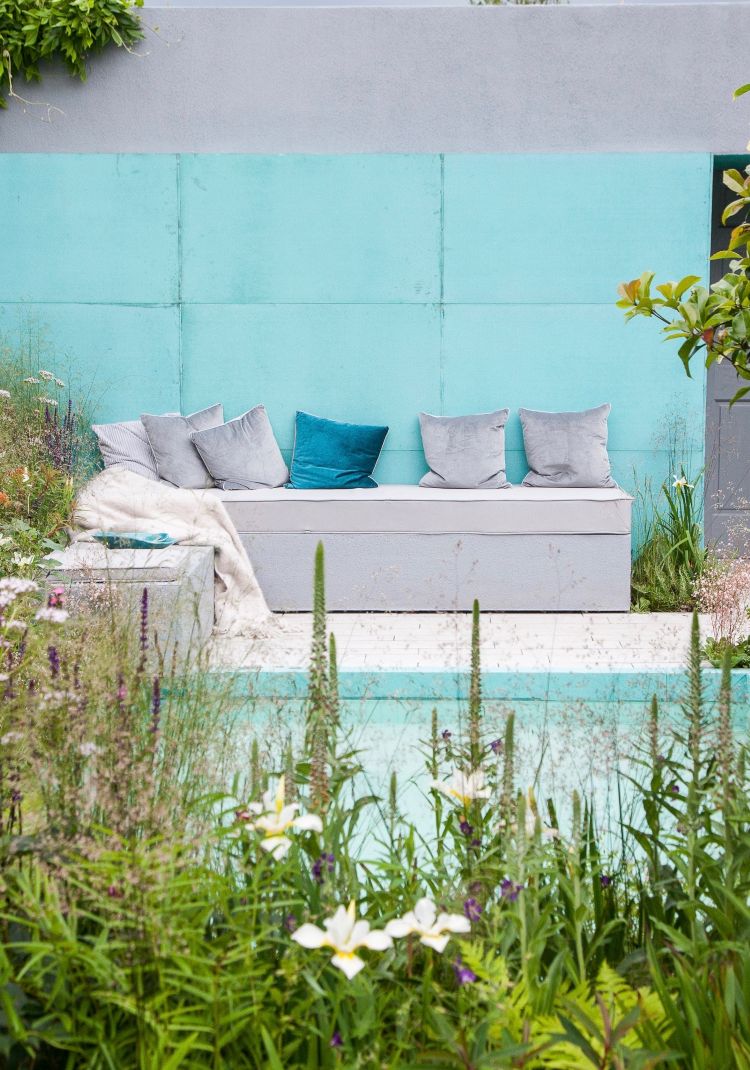
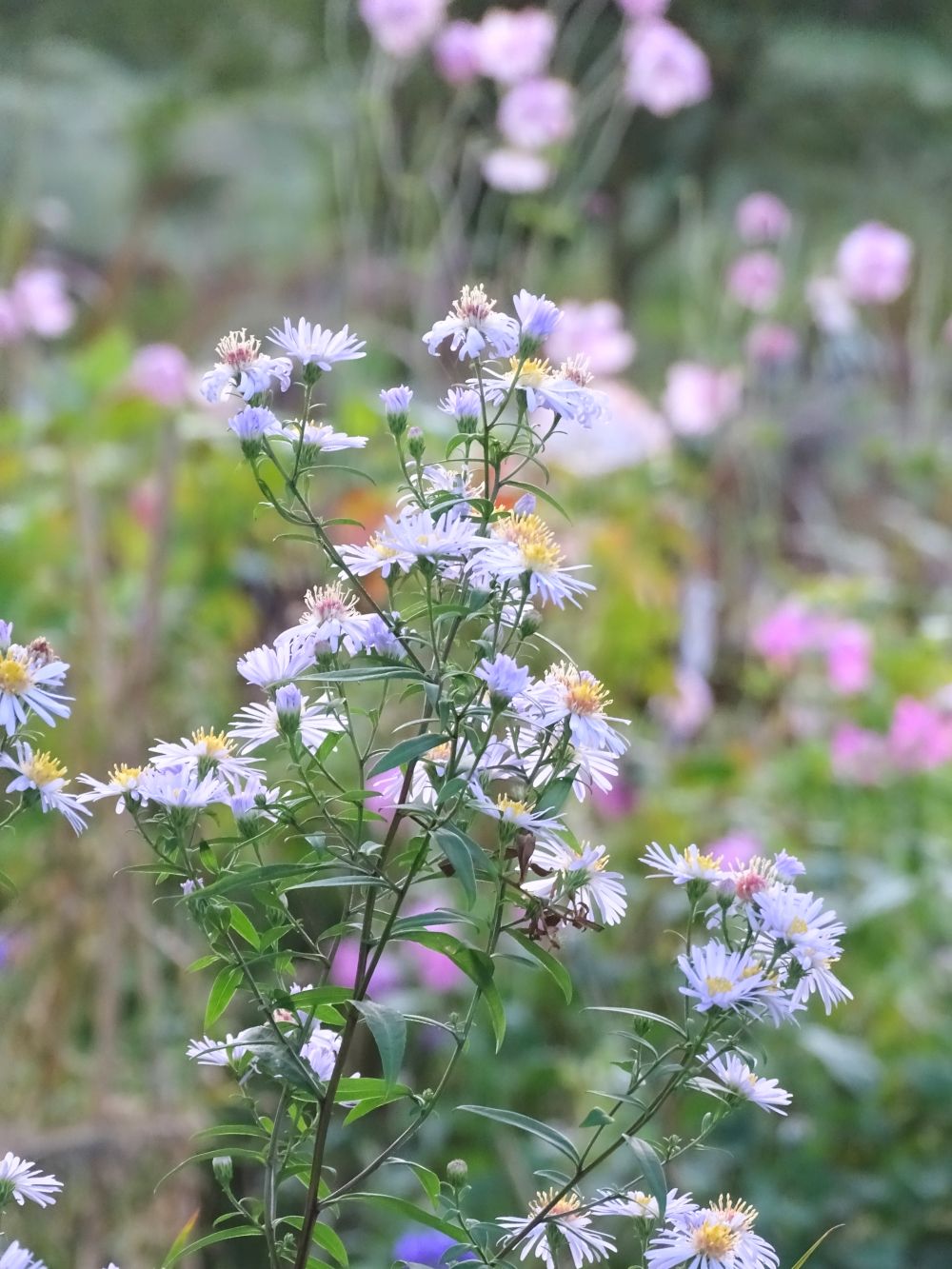
Once the base and structure are in place, this is where personality and pollinator value really come through. Upright spires rising through grasses, open daisy-shaped flowers scattered through the scheme, and lighter forms such as umbellifers or spherical blooms add contrast and lift. These shapes repeat gently across the border, creating movement without visual noise.
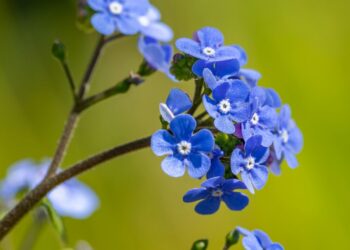
Spire-like plants such as salvias, veronicas, or smaller alliums are especially valuable here. They offer nectar while drawing the eye upward. Open, single flowers are easier for pollinators to access and tend to flower over longer periods.
The Horticulturalists at Tirlán CountryLife recommend: Lupins, Delphiniums, Coneflowers, Rudbeckias, Leucanthemums (Shasta Daisy), Salvias, Astrantias, Lavender, Monarda, Phlox, Verbena bonariensis, Oriental Poppies and Alliums such as A. cristophii or sphaerocephalon.
4. The joy plant
Finally, I always leave space for one or two plants that feel purely joyful. These are the ones that catch your eye every time you pass. An open dahlia, a wild rose or something architectural like a thistle. These plants don’t dominate the scheme, but they bring personality and delight that make the garden feel alive.
The Horticulturalists at Tirlán CountryLife recommend: Long-lived Paeonias with generous, often fragrant blooms – choose single or semi-double forms where possible to allow easier access for pollinators (for example Duchesse de Nemours). Single-flowered dahlias such as ‘Bishop of Llandaff’ offer dramatic dark foliage and scarlet blooms while still providing valuable nectar. When choosing roses, opt for open or lightly petalled varieties so bees can reach the centre – Gertrude Jekyll or Iceberg can be wonderful choices when selected in forms that retain pollinator value. Flower form matters as much as colour – open centres are far more accessible to visiting insects.
Here’s some top tips from the Horticulturalists at Tirlán CountryLife
Helena says to understand site conditions and what you’re working with: “From sun to soil, plants thrive on what they’re given, so walk your site and observe it over time. Consider seasonal and daily sun patterns – is the area shaded, full sun or partial shade? Prevailing winds, salty air or small microclimates also play a vital role in plant selection.”
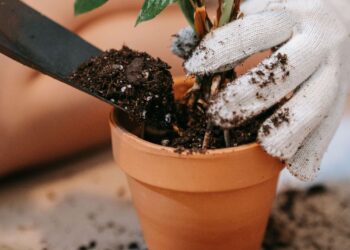
Fergal says to observe the existing ground: “When people come to us with a planting idea they’re excited about, our first advice is often to pause and look at the ground it will be growing in. It’s tempting to go straight to the plants, but soil sets the tone for how well everything establishes. Start with a PH test to see if it’s acidic or alkaline, and dig in a good organic fertiliser like seaweed or poultry manure before planting.”
Alma advises on choosing your plants: “This is the exciting part and one we love to help you with! Once you begin selecting plants, we can help you understand what your choices mean for your soil and suggest simple adjustments to support them. It’s about finding the right balance for your garden, the conditions you have and, most of all, what brings you – and our pollinator friends – daily joy.”
Don’t forget to enter our competition
Check out the competition here to win a wonderful garden makeover worth €1,000 thanks to Tirlán CountryLife.
If you’d like more gardening advise, tips and tricks, Tirlán CountryLife stores are inviting gardeners of all ages and levels of experience to attend a series of free spring gardening events at their stores nationwide. See countrylife.ie to find your nearest event.