
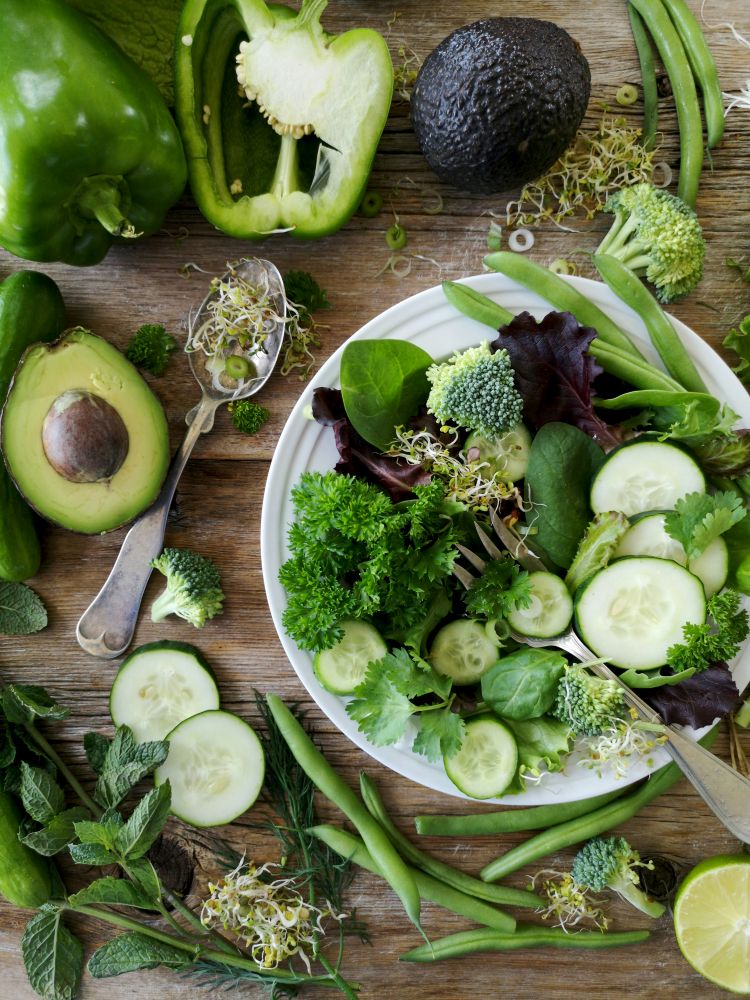
There are plenty of easy ways to boost your daily fibre intake.
You might have seen the word ‘fibermaxxing’ float around online and wondered, “what the hell is it all about?”. Essentially, it’s internet slang for eating lots of fibrous food.
Getting enough fiber in your diet is essential for regulating your digestion, stablising blood sugar, supporting heart health and supporting overall gut health. More importanttly, it also can help to prevent gastrointestinal issues by keeping bowel movements regular.
With all that in mind, how can we actually go about this – fibremaxxing? There are a few simple ways to incorporate more fiber into your diet.
Firstly, understanding the different types of fibre
Fibre that comes from your diet can be placed into two categories. There’s soluble and insoluble fibre, and both serve a unique function for the body.
In simple terms, soluble fibre dissolves in water and becomes a gel-like substance in the stomach. This slows down digestion and helps to stablise blood sugar levels, in turn this keeps you full and benefits both your blood sugar and heart health. You can find this type of fibre in foods like oats, barley, beans, peas, citrus fruits, apples and carrots.
Insoluble fibre is the opposite, in that it does not dissolve in water. Instead, it passes through the digestive system fairly intact and adds bulk to stool to promote regular bowel movement, which is essential to overall bowel health. You get this fibre from things like flour, wheat, seeds and brown rice.
With that in mind, it’s important to get a mix of both soluble and insoluble fibre in your diet to function and maximum capacity.
Switch up your carbs
Carbohydrates are essential for providing our bodies with energy to function. When upping your daily fibre intake, a clever way to do this is by swapping your usual carbs for wholegrain versions. Swapping your white rice for brown rice, for your toast or sandwiches use whole-meal bread, if you make wraps buy whole-grain tortillas instead. Often the alternative choices are right there in front of us on the shelves, it’s just about switching awareness.
Sneak it in
You know how you trick children into eating more vegetables by hiding it in their dinner? Well, take the same approach with yourself when it comes to fibre. You can do this by throwing some nuts and seeds into your food. Nuts like walnuts, pecans and almonds are great for topping a salad, and seeds like chia and flax seeds are perfect for adding to your cereal or porridge in the morning – slipping in extra fibre without even noticing.
Stay hydrated
Eating all of that extra fibre will mean you need to keep yourself hydrated to keep things functioning correctly. The more fibre you eat, the more water you need to drink because without it, fibre can bulk up and dehydrate your digestive tract, only causing further complications. A good general guideline is to drink around 6-8 glasses or 1.5-2 litres of water per day.
Fibre-rich foods to add to your next shopping list:
Legumes – beans, lentils, peas
Whole grains – oats, barley, brown rice
Nuts and seeds – chai, flax, pistachio, almond, walnuts, peacans
Fruits – berries, apples, passionfruit, avocado, pears,
Vegetables – broccoli, potatoes, artichokes, green peas, brussels sprouts