
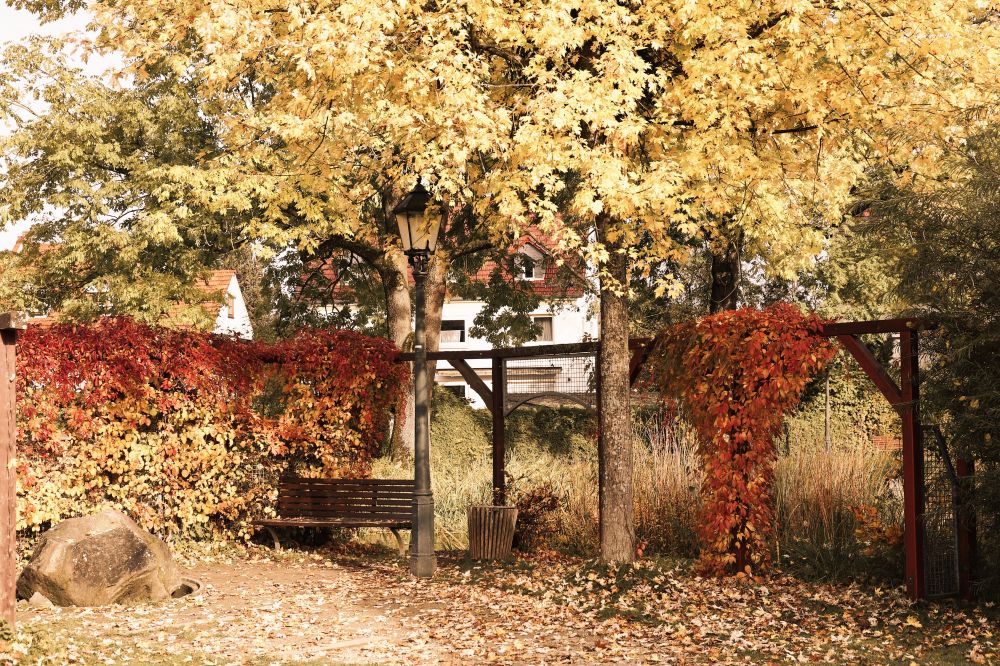
Autumn is the ideal time to plant cool-season veg and prepare for spring.
Though you might be winding down on your gardening activities now that the weather has taken a turn. Don’t pack away the trowel and gloves just yet, as it’s still ample time for getting your garden in gear.
From hardy cool-season vegetables and preparing your garden for spring, there is plenty to be done outdoors over the next number of weeks. If you’re unsure where to start, here’s what we recommend:
Cool-Season and Hardy Vegetables
Leafy Greens: Lettuce, spinach, kale, Swiss chard, arugula, and mustard greens can handle cooler autumn weather or be grown under a cold frame so it’s time to get those in the ground.
Root Vegetables: Veggies like radishes, carrots, beets, and turnips can be direct-sown if your soil has not frozen yet, or can also be saved for early spring.
Hardy Alliums: Garlic cloves and onion sets planted now will overwinter and produce a large harvest next summer – so plan ahead.
Flowers and Bulbs
Spring-Flowering Bulbs: Daffodils, tulips, crocuses, and alliums can be planted in the ground now before the first hard freeze so they’re ready to bloom in the spring.
Hardy Perennials and Shrubs: Bare-root trees, roses, and cold-hardy perennials can go into the ground now while the soil is still workable and you reap the benefits later as they grow and bloom.

Other garden activities:
Aside from planting and growing, now is also the ideal time to clean up your garden space and prepare your plants and soil for the cold weather ahead.
Lawn Care
Clear fallen leaves: Rake or blow leaves from your grass and garden regularly to avoid suffocating your grass or causing damage via damp patches.
Give it a final mow: The best time to give your grass one last mow before the winter season is usually late October, early November.
Feed and aerate: Apply an autumn lawn feed to strengthen the grass, and spike compacted areas to improve drainage.
Beds, Borders, and Pruning
Tidy dead growth: Cut back dead perennial stems and remove weeds, some of the leftovers and leaf litter can be left in a corner for wildlife like hedgehogs and insects.
Apply mulch: Spread a layer of thick garden compost, leaf mold or well-rotted bark over your beds to help them retain moisture through winter and suppress weeds.
Prune and trim: Give hedges a light trim.
Read next: How to help the birds in your garden this winter.