As temperatures continue to climb across the country, keeping our furry friends safe and cool is a must.
While warnings are being issues across Ireland and the rest of Europe for high temperatures, this has a direct impact on our pets. Veterinary teams reporting an increase in heat-related emergencies, and so Village Vets is now calling on pet owners to avoid walking dogs during the hottest parts of the day and to remain vigilant for signs of heat-related illness.
Hannah Doherty, Manager at Village Vets Ashbourne 24-Hour Hospital, shares the sad reality for some pet owners: “Over the past few days, our teams have treated dogs suffering from severe heat stroke and, heartbreakingly, not all of them survived. These are cases that have had a profound impact on both the families involved and our veterinary teams. Many people don’t realise just how quickly heat stroke can develop. A walk that seems harmless can become extremely dangerous when temperatures rise, particularly for older dogs, overweight pets, puppies and flat-faced breeds.”
“Our message to pet owners is simple: if it’s hot outside, please leave the walk until early morning or later in the evening. Missing one walk will not harm your dog, but heat stroke can become fatal in a very short period of time.”
If you want to keep your pet safe and cool this week, here they share their best advice.
- Walk dogs early in the morning or later in the evening when temperatures are lower
- Ensure fresh, cool drinking water is always available
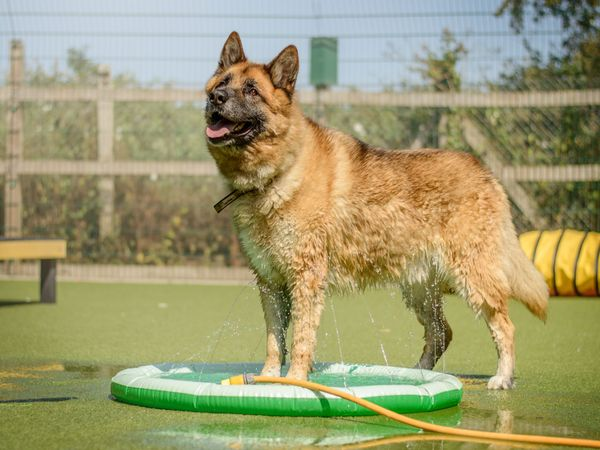
- Use cooling mats, damp towels or fans to help pets stay comfortable
- Avoid exercising – including running, ball throwing and play sessions
- Check pavements before walks, as surfaces can become hot enough to burn paws. If the pavement is too hot for the back of your hand for seven seconds, it is too hot for your dog’s paws.
- Never leave a pet in a parked vehicle, even for a few minutes
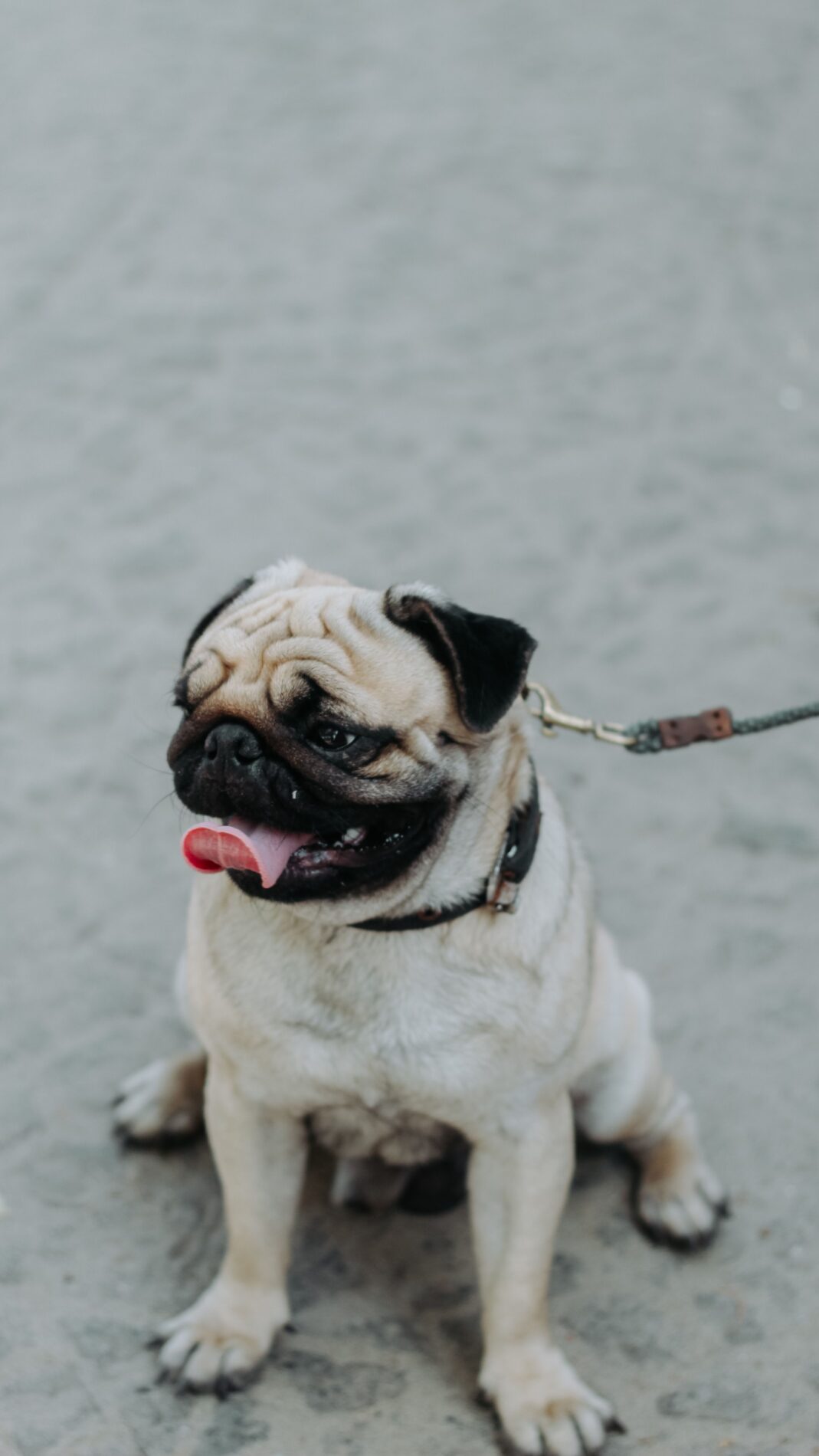
- Take extra care with puppies, senior pets, overweight animals and brachycephalic breeds such as Bulldogs, Pugs and French Bulldogs
While dogs are most commonly affected, cats, rabbits and other small pets can also suffer from heat-related illness during periods of prolonged warm weather. The same advice applies to many of these animals too.
Know the Signs of Heat Stroke
Village Vets are also urging pet owners to watch for the signs of heat stroke, including:
- Heavy panting
- Excessive drooling
- Lethargy or weakness
- Difficulty breathing
- Vomiting or diarrhoea
- Confusion or disorientation
- Collapse
If heat stroke is suspected, owners should immediately move their pet to a cool, shaded area, offer small amounts of water, apply cool (not ice-cold) water to the body and contact a veterinary practice without delay. Early intervention can significantly improve outcomes.