Ever wondered what the day to day life of a Farm Supervisor on a Donkey Sanctuary looks like?
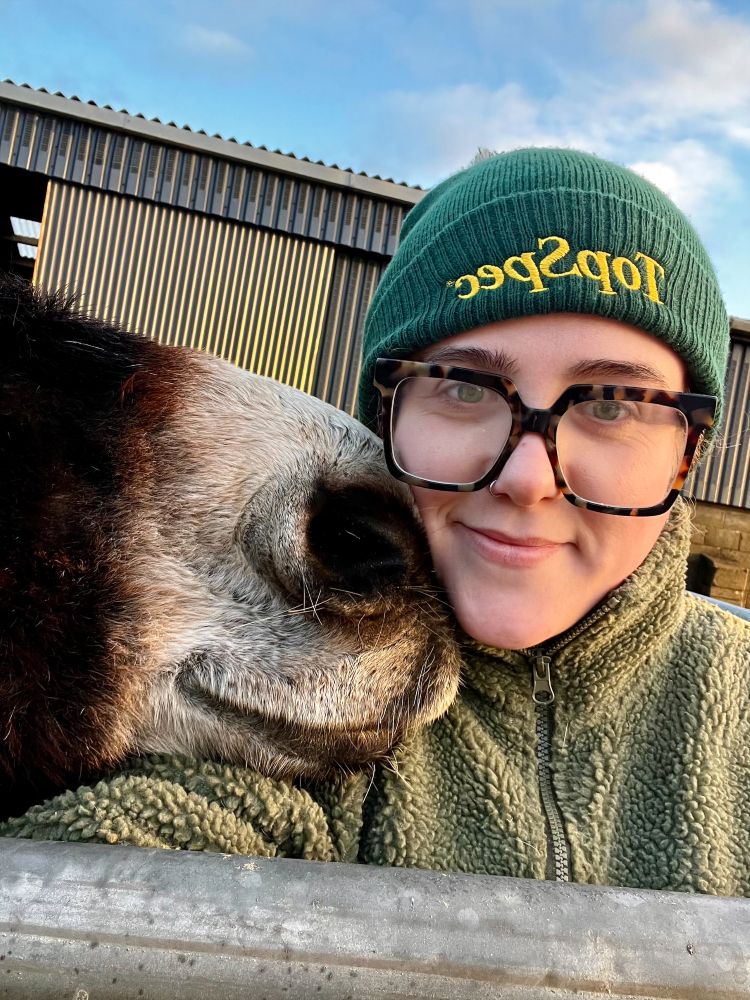
Sadhbh Kelleher is Farm Supervisor at The Donkey Sanctuary on Hannigans Farm in county Cork. After spending 8 years working in retail management, Sadhbh landed a job combining her love for animals and leadership skills. Now, Sadhbh feels that she has a job that makes a real difference, playing her part to care for around 1,500 Donkeys on between the organisation’s rehoming scheme and the donkeys based on their four farms in the Liscarroll area.
Providing vital care for neglected and abandoned donkeys across Ireland, Sadhbh chats to us about life on the farm.
What does a typical day look like for you on the sanctuary?
Although there are daily routines we follow as a team, there is no typical day for me specifically – there is so much variety in my job which I really enjoy. The day always starts with a team meeting to allocate tasks for the day. I also use this time to update the staff on anything going on within the farm or the sanctuary as a whole.
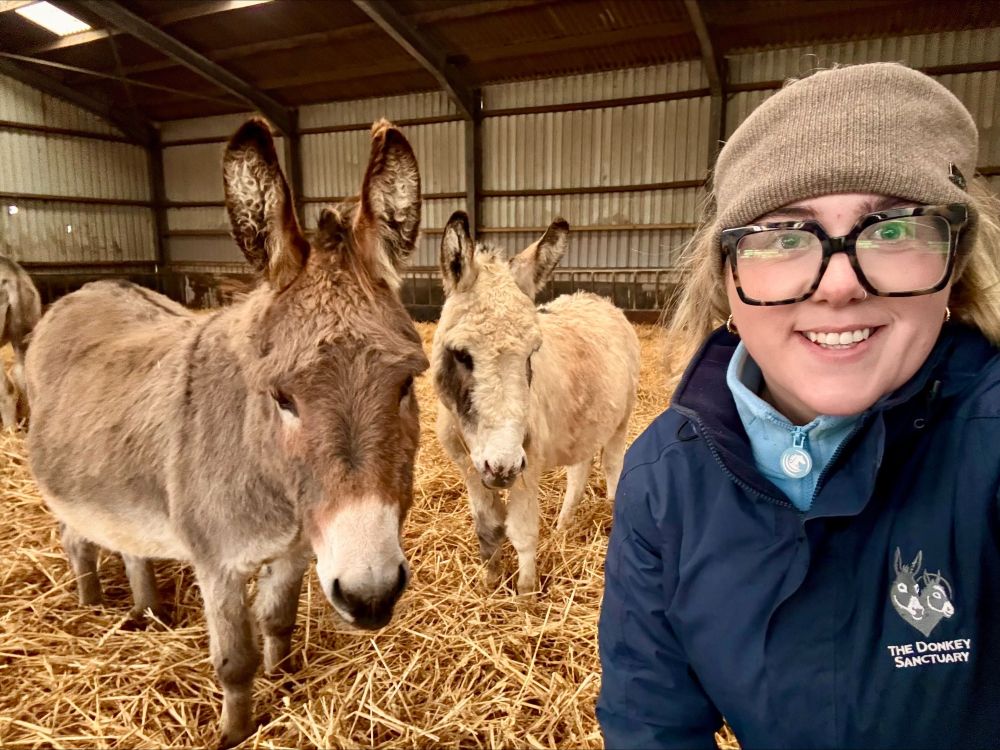
After the team meeting we begin the morning routine of scraping the yard, feeding, giving out medication etc. I always start the day with a walk through all the groups to check for signs of illness or injury which need to be flagged with the vets. After our tea break we could be doing a variety of tasks including poo picking, hoof picking, yard maintenance such as cleaning sheds and so on. We also have a farrier and dentist on site one day each per week so this also has to be planned for.
We also try to carry out enrichment activities for the donkeys every day and this is usually after lunch before we begin our evening routine of feeding and cleaning down the yard. Most days I will also have meetings with members of other teams such as the vets or with our behaviourist to plan out activities that will need to be completed. I also have a lot of administrative tasks such as updating the AMS or completing purchase orders. And finally, before I go home, I make sure all the gates are locked, barns are secure and all animals are safe for the night.
What first drew you to working with animals, and donkeys in particular?
I grew up as that child who was always more interested in animals than people. If I see an animal that could be in distress I have to try help. To be completely honest, before I started my job here at the Sanctuary I had very little experience working with donkeys but had grown up around horses so assumed they would be similar. Before applying for the job I did a lot of research into donkeys and the more I learned, the more intrigued I became – especially because I realised how different they were from horses. I was drawn to them because they are really misunderstood – they’re very cautious and analytical and what people often label as “stubbornness” is really them assessing a situation. Once you get to know them they have such interesting, individual personalities and form really strong bonds with other donkeys and with people.
Do you have a favourite story from your job that has stuck with you?
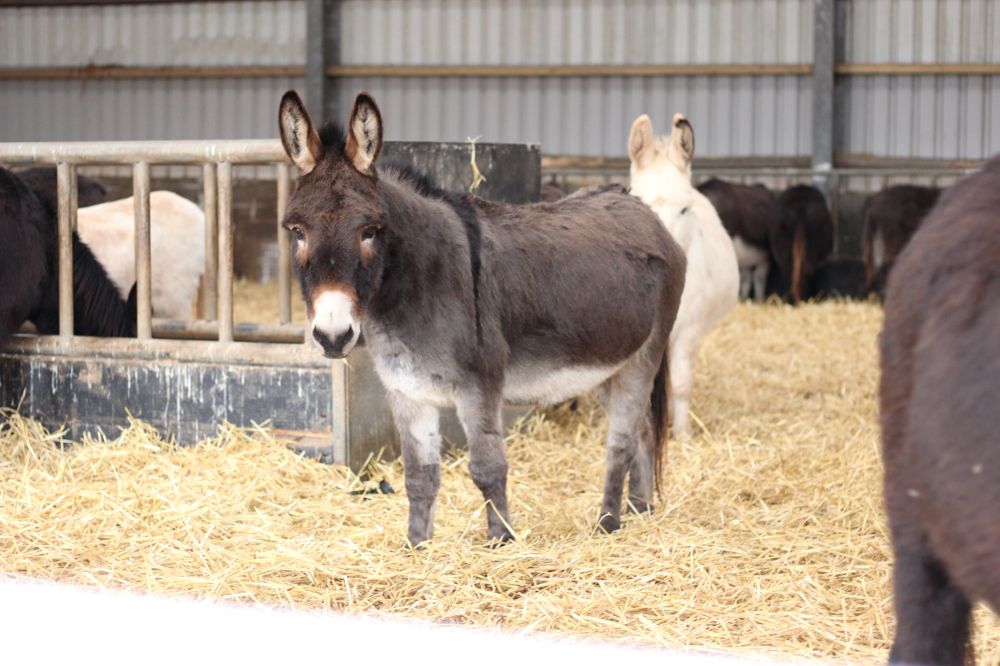
It’s hard to pick one story because there are so many small moments that stand out day to day. The donkeys all have such distinct personalities that really come through when you see them every day. For example we have one donkey Frankie who only has one eye but he’s incredibly clever and has figured out how to open all the gates and loves getting up to mischief. Then there’s another, Janus, who’s very inquisitive and always wants to see what you’re doing. He’s also obsessed with ear scratches – you may have seen him on our social media pages. Some of my favourite donkeys are the quieter ones who might not be the first up to you in the group but once you get to know them a little better they are so kind and gentle.
Why is donkey welfare such an important issue in Ireland today?
Personally, I don’t think donkeys get the same visibility as dogs, cats and horses so there is less public awareness around their needs and the challenges they face. I think many of the welfare problems come from this lack of awareness. They’re often seen as low maintenance, “hardy” animals but in reality donkeys have their own specific set of dietary needs, hoof care requirements etc and their stoic nature means they don’t show signs of pain or illness clearly so it can often go unnoticed until its quite serious. These are things a lot of people aren’t familiar with.
The Donkey Sanctuary have a team of Welfare Advisers who are based around the country engaging with owners, offering guidance and helping to educate people in order to improve standards of care. This kind of work is so important because improving donkey welfare isn’t just about rehoming animals but about changing understanding and promoting responsible ownership.
When you’re not on the farm, where can we find you?
When I’m not on the farm at work, I’m usually doing something on the farm at home with my four horses, two dogs and/or my fiancé Kealan. I’m not someone who goes on a lot of nights out or holidays, I enjoy simple things like walking the dogs in the fields at home or taking my horses to the beach or for a round of jumping – probably sounds boring to plenty but that’s me!
To read more about The Donkey Sanctuary and what they do, or to donate to the oragnisation, head here.