In our series, Growing Up Irish we chat with Irish people of note on their upbringing in Ireland and how it shaped them into the person they are today.
Comedian and actor Laurence Falconer grew up in Dublin and was a qualified airline pilot before doing a complete 180 and training at The Gaiety School of Acting. Going on to land roles in the likes of ‘Vikings’ and ‘Nightflyers‘, Laurence now lives in Germany, where he moved after falling in love with a German woman during a history tour guide on the streets of Dublin.
You might know Laurence from seeing his hilarious social media comedy skits where he comedically commentates on both Irish and German culture, and where they definitely don’t intersect. His new book, Top of the Morgen! is a deeper look into how Laurence straddles his Irish roots in his new home, Germany.
Here, he gives us an insight into his Irish upbringing.
Where did you grow up and how would you describe that place to someone who has never been before?
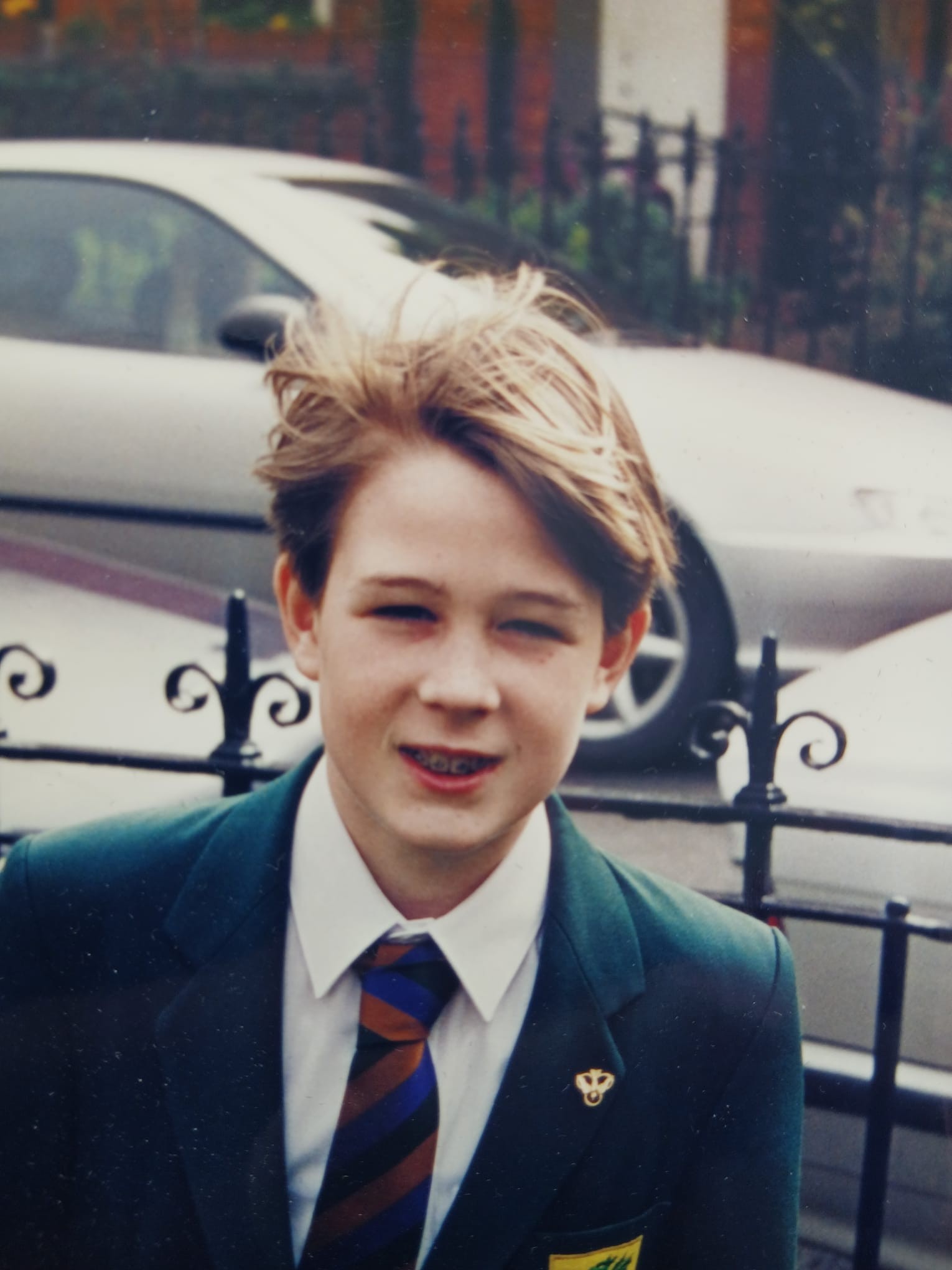
I grew up in two different parts of Dublin. My younger childhood years were spent in Phibsborough, on the north inner city, and then when I was around ten, we moved to Ranelagh on the south side of the city. I would describe both places as very much hustle and bustle due to their proximity to central Dublin. It felt lively and exciting growing up in the city. It always felt big and somewhat mysterious. It’s over a thousand years old, with medieval winding streets, grand cathedrals, and the like. Seagulls, buskers, and punters are around
every corner, yet it’s also relaxed and easy-going. Dublin is friendly and overflowing with pubs, people, craic, and life. I feel blessed to have grown up there. Ranelagh also has the unique feeling of being both close to the city centre and close to nature. The Dublin Mountains and Wicklow beyond are not far away by car, and I took advantage of that a lot, especially during my teenage years and early twenties.
What’s your earliest memory of growing up in Ireland?
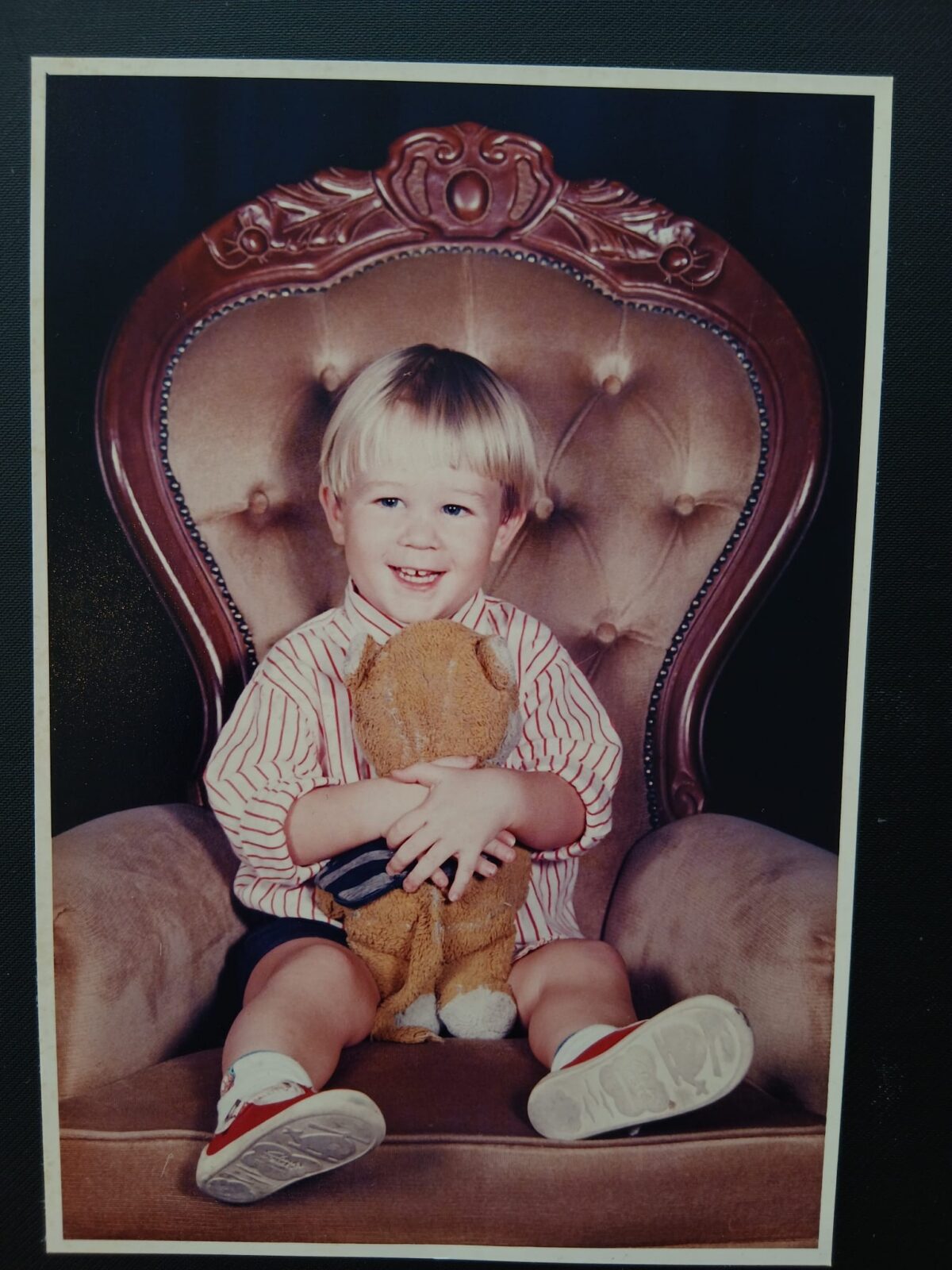
My earliest memory would be playing with my new toys in St Peter’s Church in Phibsborough on Christmas morning (circa the early ’90s… good times!).
What did being “Irish” mean to you when you were young – and has that meaning changed over time?
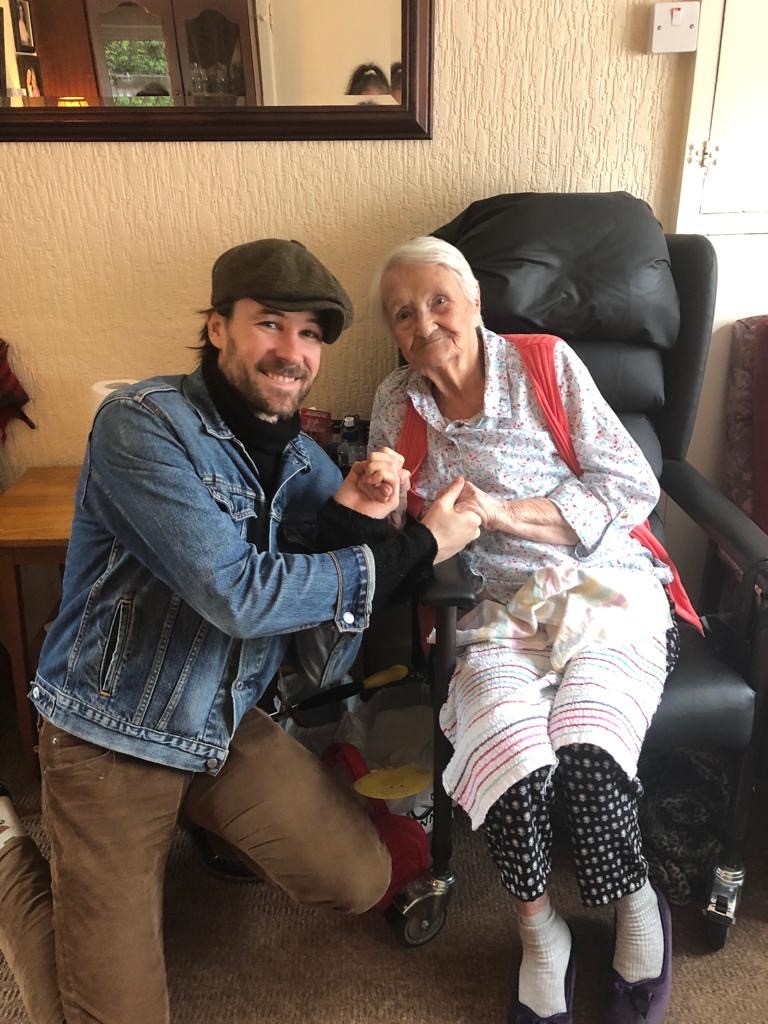
I always felt proud of being Irish, I think because my nana was so unbelievably lovely. I associated Irishness with her. She was a storybook Irish woman, and I always loved
everything she was. I’ve always felt happy in my identity, both then and now. Irish people and Irish culture are a unique and beautiful thing that you don’t find anywhere else. Through travelling and growing older, I’ve come to realise just how special Ireland and her people are.
Are there any particularly ‘Irish’ traditions in your family?
We did the big breakfast every Sunday as a family. Without fail, we’d have a full home-cooked Irish breakfast with all the trimmings and shedloads of tea. It was a dream and is the source of some of my fondest memories.
How do you carry Ireland with you when you’re working abroad or on a global stage?
I just chat away like a mad lad to whoever I encounter. There are confused stares aplenty, but a man must do what a man must do. I live in Germany, so my Irish nature certainly stands out—in a good way, though, as the Germans are fond of us. I was lucky enough to write a book about being an Irishman in Germany, Top of the Morgen: The Misadventures of an Irishman in Germany. That experience forced me to really examine my own Irishness in a way I hadn’t done before—becoming aware of what makes me Irish as opposed to German, and where we are similar. Mental craic altogether, but I do somewhat feel like I am representing Ireland over here, so I do my best!
What’s the most Irish thing about you?
My personality. I wear my Irishness on my sleeve.