In our series, Growing Up Irish we chat with Irish people of note on their upbringing in Ireland and how it shaped them into the person they are today.
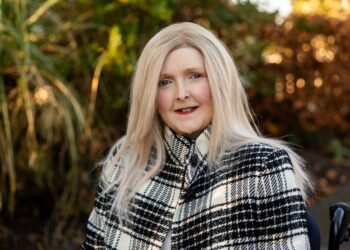
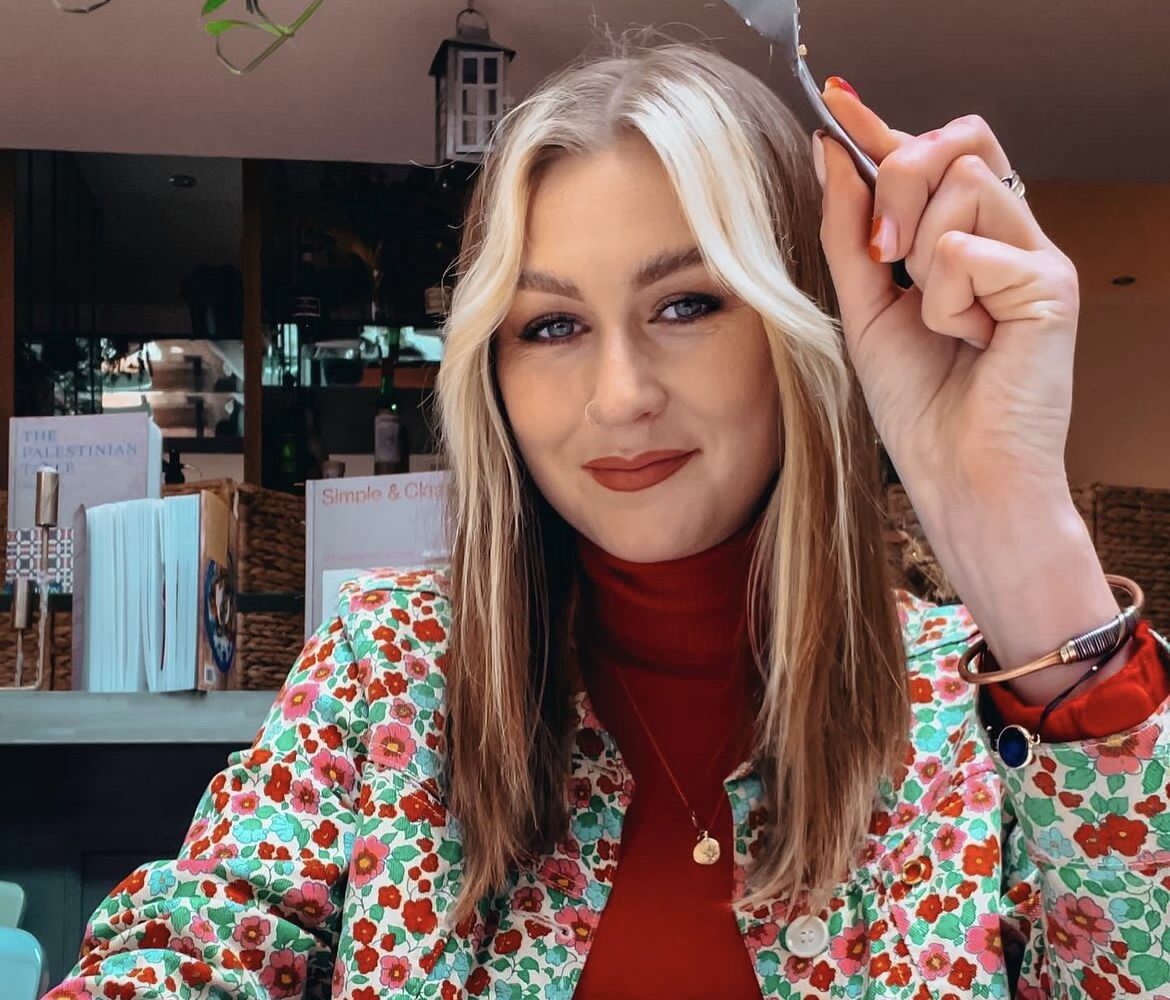
If Éadaoin Fitzmaurice’s face isn’t familiar to you, her voice certainly will be. Known for her social media videos sharing the best places, eats and hidden gems around the country, Éadaoin knows this country like the back of her hand. Though living in Dublin now, Éadaoin grew up in county Wicklow and shares an insight into how her childhood in Arklow looked.
Where did you grow up and how would you describe that place to someone who has never been before?
I grew up just outside Arklow in County Wicklow, a small coastal town that today is home to around 13,000 people, though it felt much smaller in the 1990s. My house is tucked down a small Cul De Sac on a coastal road with six other houses, so naturally I knew all of my neighbours and spent all of my time running from garden to garden embracing the outdoors as a kid. My childminder lived on the same road, so many of my earliest memories are rooted in that tiny stretch of tarmac that somehow contained an entire world. My favourite thing about the area is how close we were to the sea, I could always see it and hear it – something I struggle without now that I live in the inner city.
Arklow is one of those towns where everyone knows everyone, and lots of families are related to one another. There was a real sense of community. That closeness created a deep sense of security. There was comfort in being known, in growing up surrounded by people who looked out for one another. Like many Irish towns, Arklow has faced its share of challenges, with empty shopfronts serving as reminders of changing times. Yet in recent years, there has been a quiet resurgence. Independent businesses like Loco Grocer, my favourite spot for coffee and brunch, Grizzly Napkin, known for its exceptional burgers and pizza, and Tapau House, serving some of the best Thai food in the county, have brought fresh energy back to the town. They feel like the beginning of a new chapter rather than the end of an old one.
I went to school in Arklow and that is where I met my childhood friends. Our summers followed a familiar rhythm: cycling into town before making our way to whichever beach called us that day. The Cove, a small sheltered beach tucked beneath the quarry, was our unofficial meeting place. It was where we spent endless afternoons swimming, and it remains one of the town’s most treasured spots, with hardy locals taking to the water every day of the year. There’s also a beautiful walk here called Arklow Rock which provides panoramic views of the South Eastern coastline.
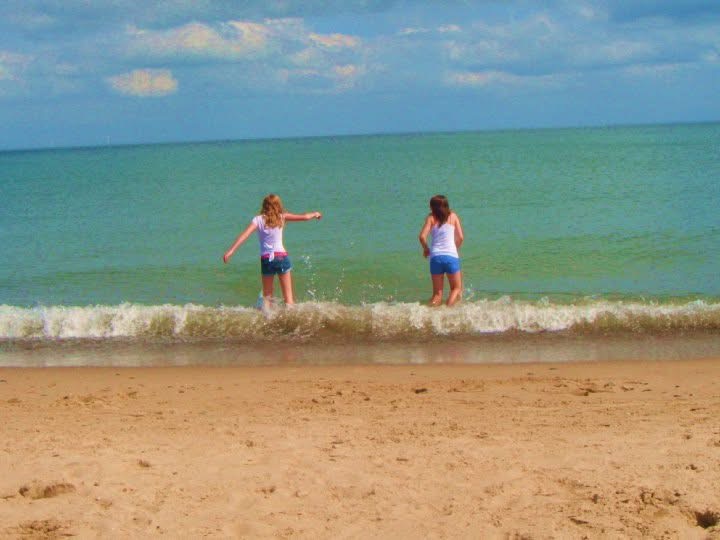
Life in Arklow town for me is shaped by the coast. The beaches were where we’d play and build sandcastles as kids, where we’d sneakily drink naggins as teenagers, where we had our first dates as young adults and now where I return whenever I need to feel grounded again. The coastline has been a constant companion through every chapter of my life.
What’s your earliest memory of growing up in Ireland?
My dad is from Listowel, so probably going down to Kerry for the summer and running around the farm. The distinct smell of cow pat when we’d pull up and the car doors would open. The high pile of sods of turf stacked up in the barn. Running into the shed to see the ‘Sucky Calves’. The pineapple swiss roll and Nash’s red lemonade that my Nanny would have laid out on arrival. Nothing has changed in the last 30 years, the farm looks (and smells) the exact same. My wonderful Nanny turns 100 this year, and she’s never forgotten my favourite treat.
We’d always take a trip out to Ballybunion during our visit and I’d spend hours playing in the sand. No day at the beach was complete without a 99 dripping down sandy fingers.
What does being Irish mean to you?
Being Irish is the centre of my being. It is the identity I wear with the greatest pride, one that has shaped my values, my worldview and my sense of belonging in ways I am still learning to understand.
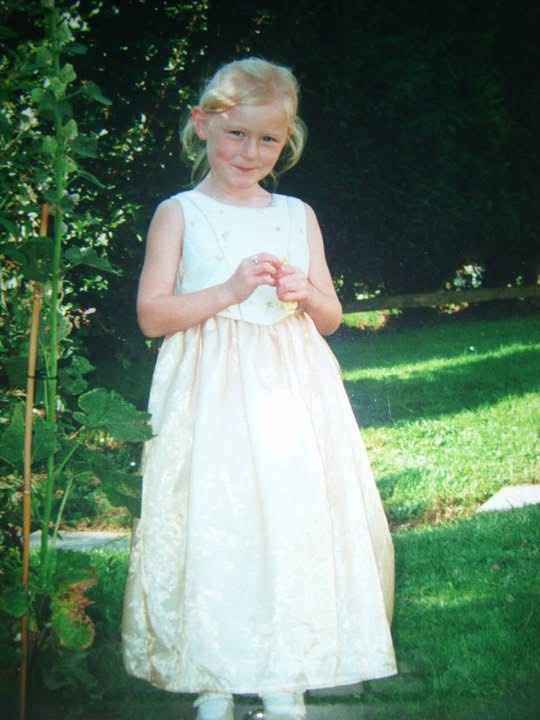
When I think about Ireland’s history, I am overwhelmed by the improbability of my own existence. This island has endured famine, colonisation, rebellion, civil war and generations of mass emigration. So many families were forced to leave in search of a future elsewhere, while countless others never survived to see one. Yet somehow my family remained. Even within my own grandparents’ generation, despite growing up among large families, they were the only siblings who stayed in Ireland. Their brothers and sisters built lives in South Africa, Australia, the United States and England. I often think about how easily my story could have unfolded somewhere else. Instead, I was given the extraordinary privilege of calling this island home. That is something I will never take for granted.
Being Irish to me is strongly connected to culture. It is through music, arts, storytelling, sport and language that I feel most connected to Éire. It lives in a circle of friends all speaking as Gaeilge, in the melodies of traditional music, in the stories passed from one generation to the next, and cheering on your team in Croke Park. In those moments, I feel part of something far older and greater than myself. It is as though an invisible thread stretches across centuries, binding us to those who stood on this island long before us, who found joy in the same songs, spoke the same words and loved this place just as fiercely.
Perhaps that is why I have always felt that being Irish is a kind of fortune. Not because our history has been easy, but because it has shaped a people of remarkable resilience, warmth, passion, generosity and creativity. Across the world, Ireland is known for its hospitality, humour and kindness. Wherever we travel, twe’re greeted with warmth. It is a reputation earned over generations, and one that reminds me that being Irish is not simply about where we come from. It is about the spirit we carry with us, and the responsibility to honour the people and the place that made us.
Are there any particularly ‘Irish’ traditions in your family?
Every year on Christmas Day we have two kinds of stuffing for the turkey. Athlone stuffing (regular stuffing) and Kerry stuffing made with potatoes instead of breadcrumbs, I look forward to that meal each year because it’s the only time we have the Kerry stuffing.
Whenever the whole family is together my mam will start every dinner with an Irish language toast “go mbeirimid beo ar an am seo arís” meaning may we live to see this time again.
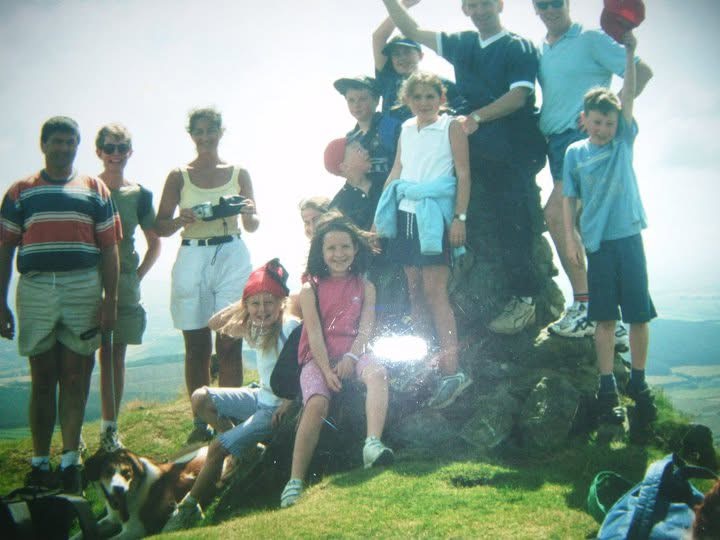
How do you carry Ireland with you when you’re living and working abroad or on a global stage?
No matter where I am in the world, I will be wearing my Claddagh ring – a symbol of love, loyalty and friendship that has been woven into Irish culture for generations.
I naturally weave Irish into everyday life whenever I can, whether it’s greeting someone or raising a glass.
I’m also passionate about Irish design and craftsmanship. Whenever I attend a significant work event, I make a conscious effort to wear Irish designers. It’s my way of celebrating the extraordinary creativity on this island and supporting the makers who continue Ireland’s rich tradition of artistry. For me, it’s a subtle but meaningful expression of pride in where I come from.
What’s the most Irish thing about you?
I think the most Irish thing about me is that I’m a Gaeilgeoir.
Gaeilge has become one of the defining parts of my identity, though it wasn’t always. I didn’t grow up speaking Irish at home and attended an English-speaking primary school. It wasn’t until I attended an Irish-language secondary school that I truly appreciated the language. What began as a subject in the classroom gradually became a way of seeing the world, a community to belong to and, ultimately, a lifelong connection to my culture.
I had hoped to continue studying Irish at university, but when I didn’t secure a place on the course, I refused to let the language slip away. Instead, I sought it out. I joined the Cumann Gaelach in DCU, surrounded myself with friends who shared a love for Gaeilge, and spent my free time attending cultural events and festivals. I made a conscious decision that Irish would remain part of my daily life, not because I had to speak it, but because I wanted to.
Many Gaeilgeoirí are fortunate enough to inherit the language at home. My journey has been different. I chose Irish, and I continue to choose it every single day. I work constantly to expand my vocabulary, refine my fluency and create opportunities to use it, weaving it into my everyday life wherever I can. More recently, I began learning sean-nós singing as another way of deepening that connection. My greatest hope is that one day I will raise my own children through Irish, giving them the gift of a language that carries the stories, humour and spirit of this island within it.
I never feel more connected to Ireland than when I am speaking as Gaeilge.