

In our digital series ‘the art of writing’ we chat with talented Irish writers to celebrate the artistry of writing in all its forms.
Jeananne Craig is an award-winning author and journalist from Derry. She studied English at Trinity College Dublin, and Journalism at City University London with a Scott Trust Bursary from the Guardian Media Group.
Her writing has appeared in the Guardian, the Sunday Times, the Irish Times, Irish Independent and Grazia magazine; her interviewees have ranged from UK prime ministers to Kim Kardashian. The Life Swap, her first novel, was named Unpublished Novel Runner Up by the 2025 Comedy Women in Print Prize.
Jeananne now lives in Derry with her family and is working on her second novel. Here she chats with us about how she always knew she wanted to write and returning to her childhood dreams of being an author.
Tell us about yourself and your writing.
I was born and raised in Derry, then worked as a journalist in London and Dublin for over a decade, covering breaking news, politics and entertainment. After having my two children, I went freelance and we moved home in 2018.
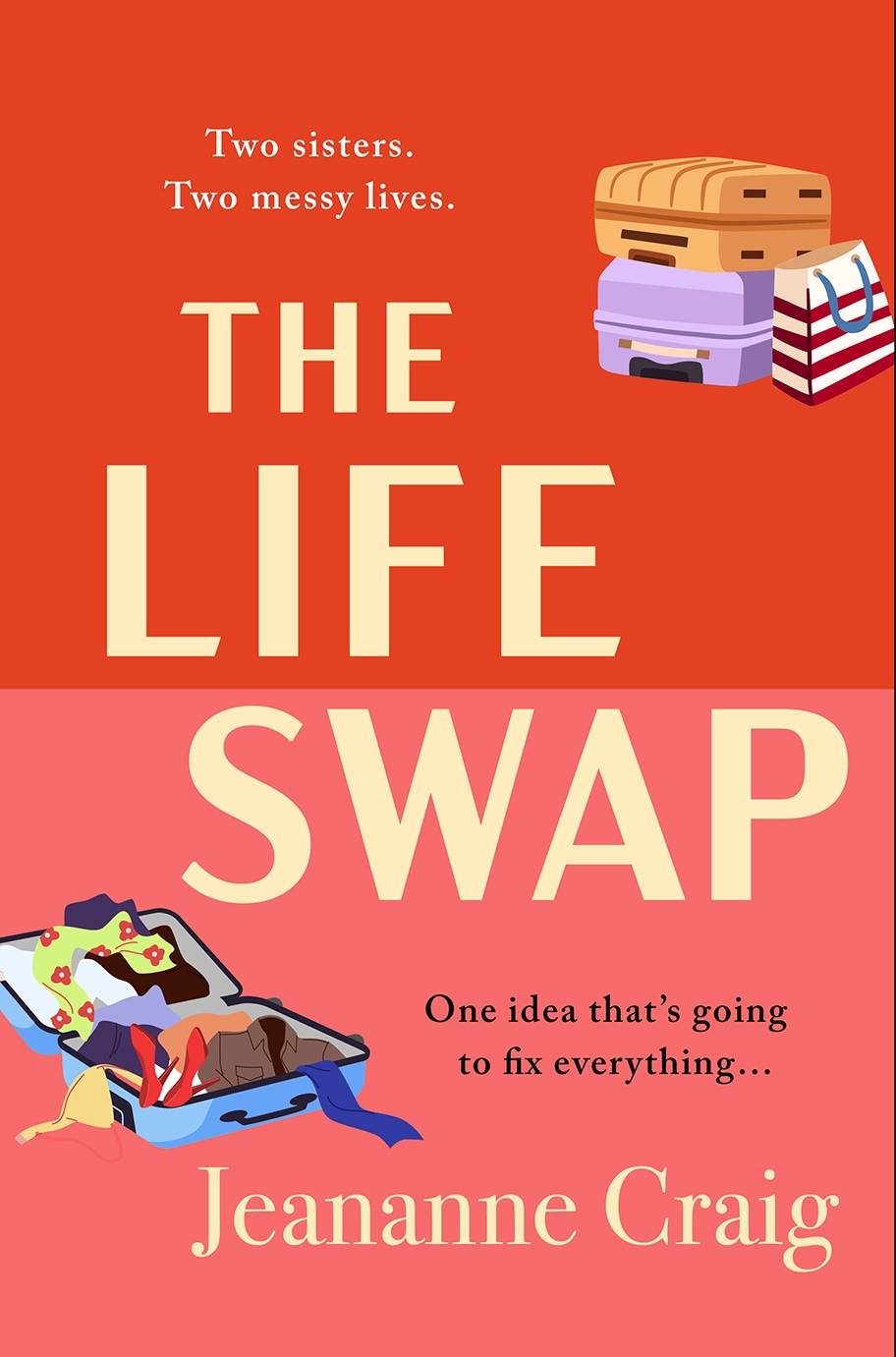
The idea came to me for The Life Swap a few years ago. Once I started writing about these two funny, fractured sisters, I fell in love with them both. Getting the book published, and meeting readers who’ve laughed or cried along with the characters, is a dream come true.
I’m currently working on my second novel, which is a completely different story and setting to book one, but still has that combination of humour and heart.
Have you always known you wanted to write?
Always. As a child, I was conjuring up stories and plays at the kitchen table before my feet could even reach the floor. In my teenage years, I lost that youthful confidence, and decided a career in journalism was a more sensible and secure way to earn a living, while still getting to write every day.
I never lost that itch though, and getting back into creative writing is like reuniting with an old friend. I love journalism, and helping other people tell their stories, but there’s something so magical and freeing about coming to a blank page and seeing where your imagination takes you.

Talk us through your writing process
I write until I feel the quality starting to plateau (usually two or three hours in), or it’s time to collect the children from school. I wish I could say I meticulously map out plotlines, and have a cork board covered in detailed Post-it notes. But no. The earlier drafts are a bit more chaotic than that. I know where people will end up, and roughly how they’ll get there, but there’s also an element of sitting down at my laptop and just letting the characters take the reins. Hopefully that makes the writing feel fresh and energetic, but there are definitely days when I envy more structured writers.
Describe your writing space
As with the above answer, I wish I had a beautifully neat desk, but it’s pretty messy: magazines, notepads, sweet wrappers. I do face onto a lovely dark blue wall with tall shelves and lots of books though, so I’ll gaze over at that when I’m thinking of ideas, rather down at the clutter.
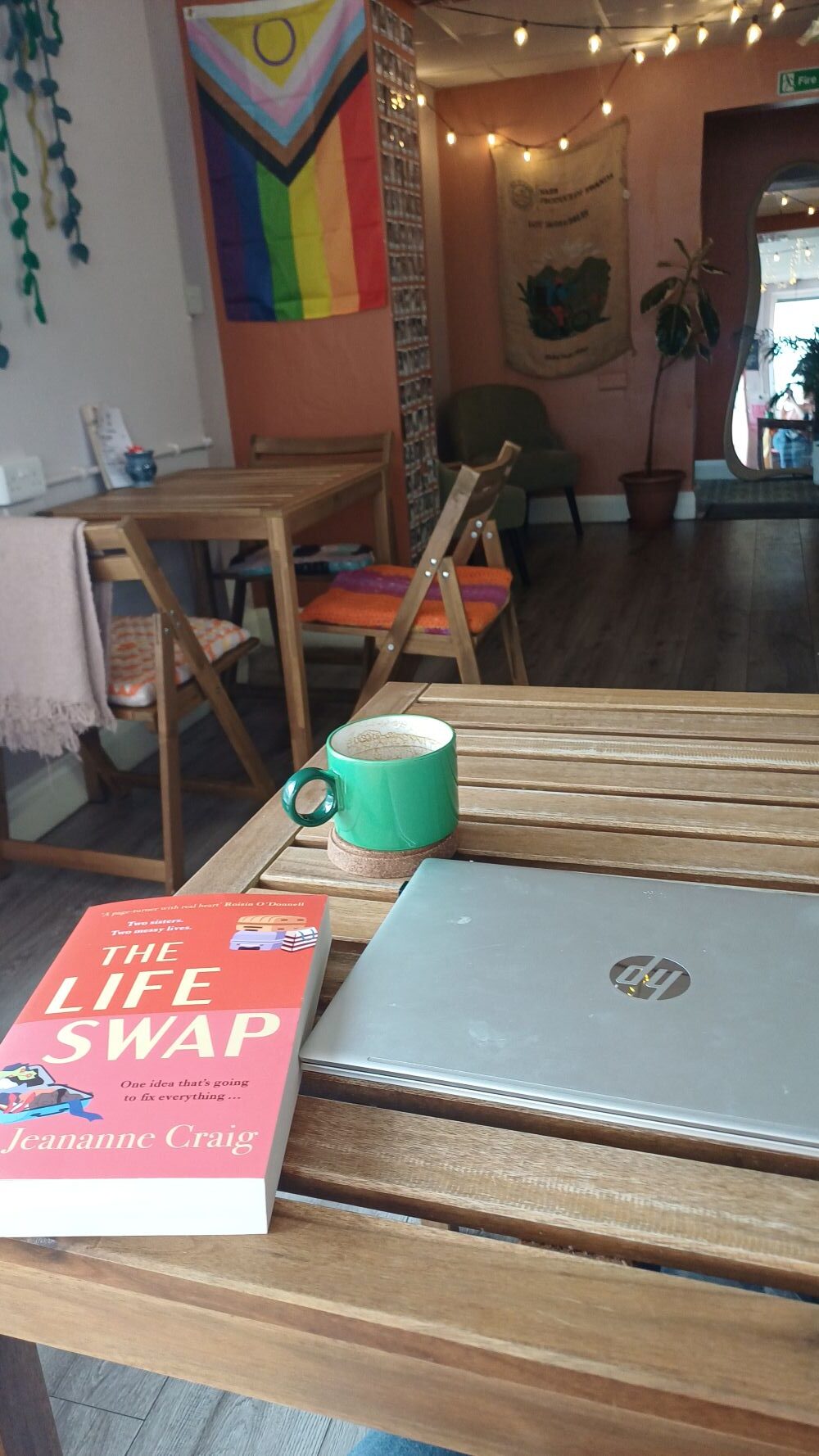
Alternatively, I’ll bring my laptop out to a local library or café for a change of scenery. Gráft in Rosemount, where I’m sitting right now, is a particular favourite.
What is a piece of writing you wish you wrote and why?
I think writing is so personal, it can only really spring from that particular author’s mind, imagination and life experience (and, in my case, messy desk!), but there are lots of writers and works I admire. A few that immediately spring to mind: Trespasses by Louise Kennedy, Nesting by Roisín O’Donnell, Prep by Curtis Sittenfeld. I’ve just finished Wahala by Nikki May, and didn’t want it to end.
What are your thoughts on AI and writers using it to assist their own writing?
As a reader, I want stories with emotional truth, that come from the author’s heart. As a writer, using AI would just suck all the joy and spontaneity out of the creative process.
Finally, what tips do you have for aspiring writers?
Read widely, join a local writers’ group to share your work, and try not to get too disheartened by rejections and disappointments along the way. You’re not alone in those. Keep going!