The following article was written by Eimear Chaomhánach – the daughter of a beekeeper and author of ‘The Keeper of the Bees’ – Bees and Beekeeping in Irish Folklore’
When it comes to choosing organic fruit and vegetables, it seems pretty straightforward right?
Organic food produced from the land is largely defined as produce from a farming system that places a strong emphasis on environmental protection, with fewer chemicals employed alongside good soil management.
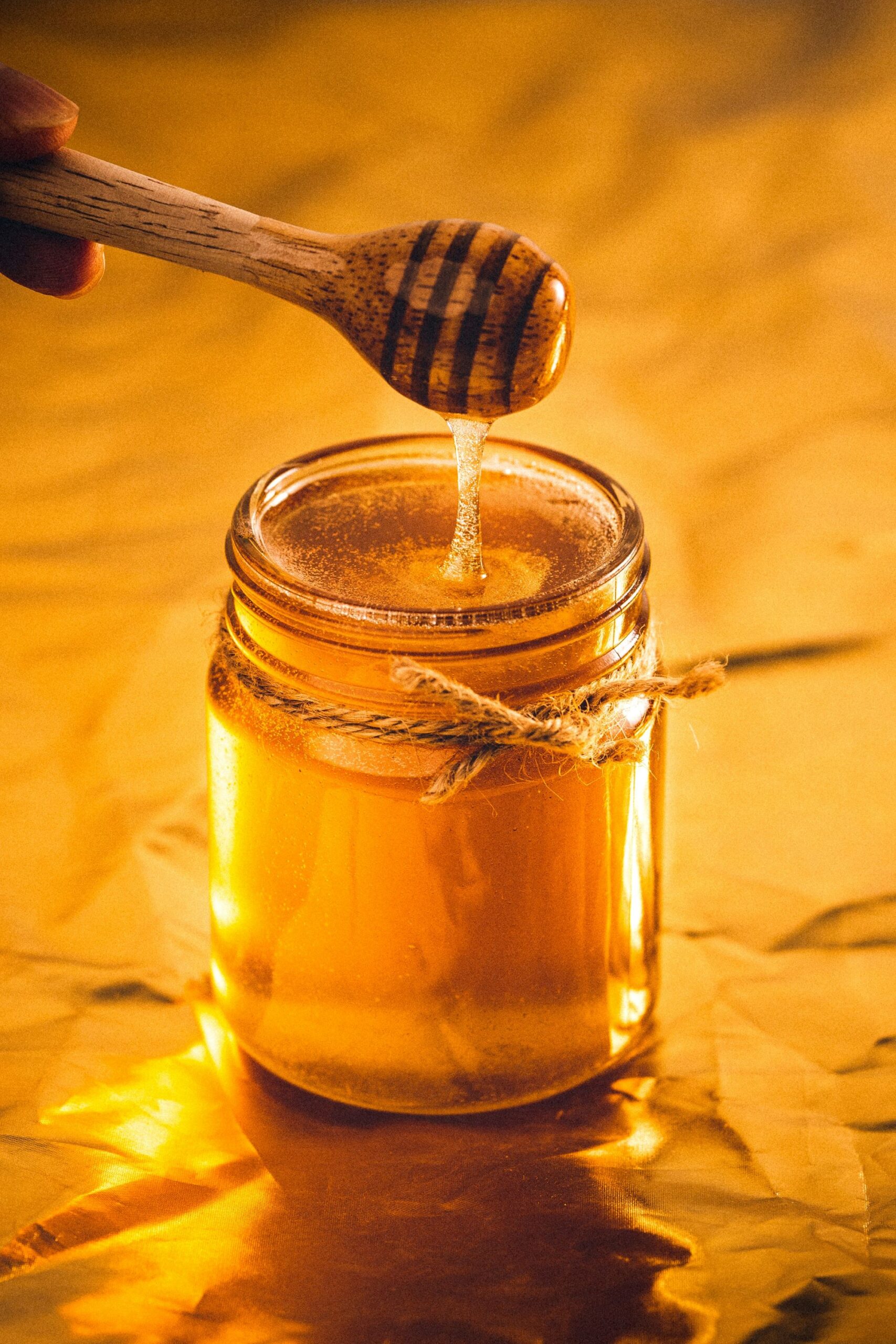
Honey is a long-time associate of the organic family, being a naturally formed substance. Forager bees collect nectar and pollen from flowers, plants and bushes. With the addition of enzymes, this converts into honey when it is inserted into the hexagonal comb that is capped with a thin flake of wax.
The characteristics of honey can vary according to whether it is pure, raw, pasteurised, unfiltered or organic. For me, these can be confusing descriptions. My father, a beekeeper for 70 of his 85 years, harvests his honey in a very uncomplicated way. It is removed from the honeycomb using an extractor and particles are strained away using a utensil akin to a sieve.
In terms of classification, my father’s honey is likely to be described as pure or raw, as no other ingredients are added, and the honey is transferred from the beehive into the honey-jar with very little else involved. This way, the vitamins, minerals and amino acids present in honey are preserved and the naturally occurring enzymes remain intact.
A natural antiseptic
With its high sugar and low moisture constituents, honey is an intolerable environment for yeast and bacteria to multiply, making it a natural antiseptic. Archaeologists have discovered pots of honey buried 3000 years ago in Ancient Egyptian tombs and the honey was still perfectly edible.
Honey is also highly nutritious containing organic acids, protein and amino acids, as well as the minerals phosphorus, calcium, iron and vitamins A, B (B1, B2 and B6) and C. This combination – of being sterile and rich in nutrients – has positioned honey as an invaluable resource for millennia. Not only was it the first sweetener and alcoholic beverage, via mead, it has also commanded high value within folklore, ritual and spiritual ceremonies.
Folklore describing the healing qualities of honey is rooted in the knowledge that it is a naturally occurring antiseptic. And so, honey is documented as a folk cure for a range of illnesses and ailments. The most common cure, to this day, is using honey to fight a cold, flu or sore throat. To heighten its effectiveness, my aunty Marcella added a drop of whiskey to honey, lemon and hot water, mixing it into a syrup and boiling it on the hob. It always hit the spot.
The ultimate cure-all
In Co Laois, a popular recipe involved adding the juice of a turnip to a generous dollop of honey. For best results, the honey should be placed between a few slices of turnip. Left aside for a few hours, a thick syrup forms and this concoction instantly soothes a scratchy throat.
Traditionally, honey was the go-to cure for all manner of illnesses such as psoriasis, chickenpox, gangrenous feet, thrush, boils, hay fever, whooping cough, rheumatism, cold sores, burns and bedsores.
A little more unorthodox, perhaps, is the notion that honey can remedy baldness. Massaged thoroughly onto the scalp both day and night will prove effective for those who are follically challenged!
Honey as a ritual
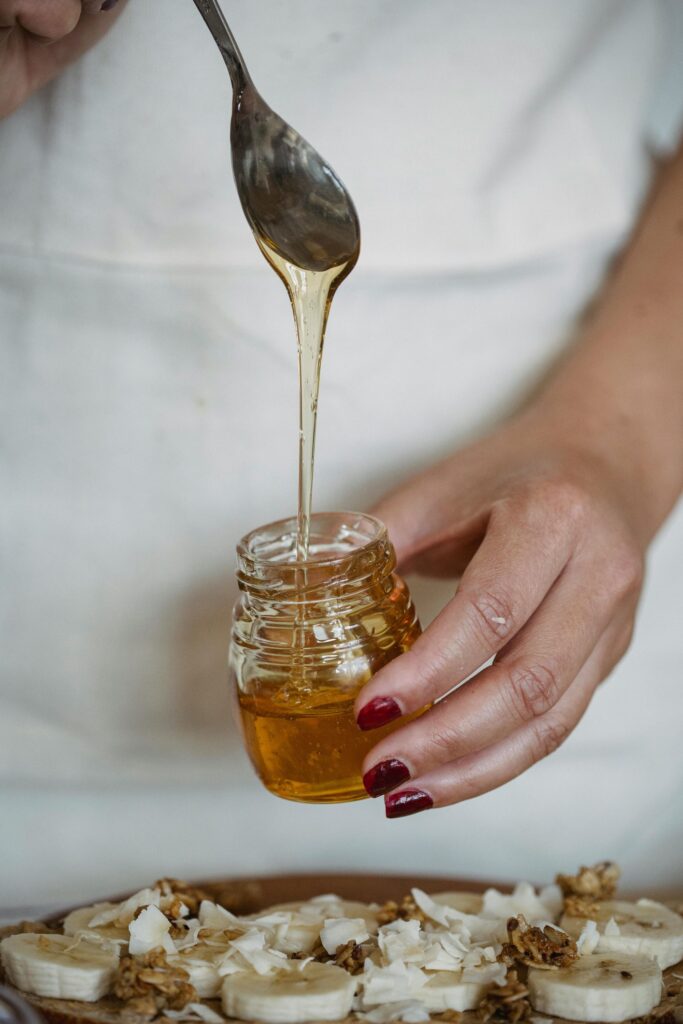
In history and folklore, honey has also been integrated into rituals and ceremonies. If the sign of the cross is traced with honey on the threshold of a new home, this will bring prosperity and good fortune to the household.
Honey smeared on a baby’s lips at baptism is said to provide a gift of eloquence or a ‘honey-tongue’ and was also considered a defence against evil spirits.
Today, the honeymoon is the most popular ceremony involving honey. The term ‘honeymoon’ was coined due to the ancient custom of the newly-weds drinking honey-wine together for an entire month, or moon cycle, after the matrimonial rite. Considered the sweetest time in marriage, this ritual was said to encourage happiness and fertility.
The romantic, spiritual and sacred association with honey has been lauded by poets, dramatists, musicians and novelists for centuries. Bees symbolise order and are used as a metaphor for the best in human behaviour, representing industriousness, harmony and collaboration. And from this utopia, honey is created, with the ability to heal and cure, to bless and protect.
Honey, it seems, is quite deserving of the homage it has evoked which continues to this day. It is an acknowledgment of, and a tribute to, a universal love for the honeybee.
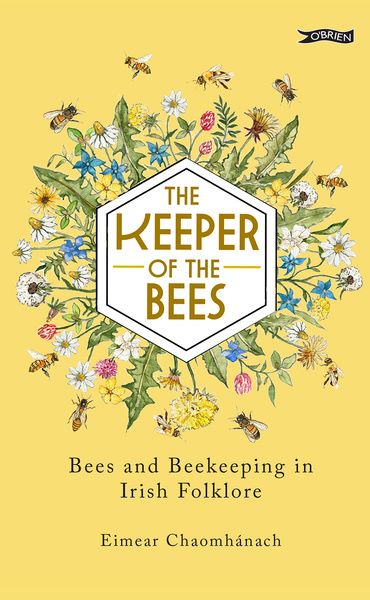

Eimear Chaomhánach is the author of The Keeper of the Bees – Bees and Beekeeping in Irish Folklore, published by the O’Brien Press and illustrated by Jane Carkill.