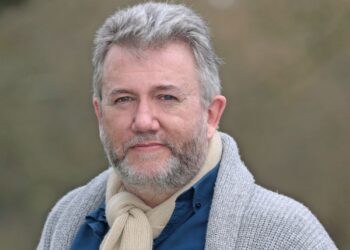

Dr. Catherine Healy is the historian-in-residence at EPIC – The Irish Emigration Museum.
In a time saturated with algorithms and AI, visiting and preserving museums is more important than ever before. But what goes into organising an exhibition we view in a museum? We chat with Dr. Catherine Healy, the historian-in-residence at EPIC on her role in one of Ireland’s most prominent cultural hubs.
Tell me about yourself and what you do.
I’m a writer and historian based at EPIC The Irish Emigration Museum in Dublin, where I develop exhibitions and public programming. I studied history as an undergrad but got pulled into student media and then spent the next few years working in newsrooms. Eventually, I found my way back to history and was fortunate to secure funding for a PhD.
My research has mostly followed the lives of working-class female emigrants, especially those who went into domestic service in the US and Britain – one of the most common jobs for women who left Ireland in the nineteenth and early twentieth centuries.
I get to continue this work at EPIC while also exploring the histories of Irish communities in other locations and time periods. I’ve become that boring person at parties who’s always ready to reel off a few facts about Irish connections to any place that comes up in conversation.
How does curating an exhibition look – roughly from start to finish, chat us through the process.
Research comes first, and that’s often the most enjoyable stage. Once a new exhibition theme has been decided, I cast as wide a net as possible for sources. I’ll usually order books in from the National Library on Kildare Street and take a desk there for a day or two, working through the pile until I have a decent grounding in the subject.
From there, I generally turn to digitised newspapers and genealogical sites. A search for a relevant name might bring up some unexpected detail in a news report, obituary or census return.
I’ll then put together a list of the key topics to be covered and begin looking for photos, records and objects that could feature, approaching other cultural institutions about image rights and loans. We sometimes launch appeals for stories from members of the public, to add more personal texture to the bigger story.
I also oversee the production of our exhibition videos, many of which are filmed overseas. We’ve recorded interviews in Bogotá, Nairobi, Brussels and DC, to name just a few locations.
Throughout the process, I’m liaising with our excellent graphic designer, Joanne Byrne, on how the visual language of the display is taking shape. Closer to opening, I work with our marketing team to promote the exhibition, from planning the launch event and helping to draft press releases to filming social media content and doing radio and TV interviews.
Why do you believe museums are important, and why should we be visiting them?
The best museums, for me, shine a light on stories and perspectives that visitors might not have already considered. They encourage a sense of wonder at the resilience and creativity of those who’ve gone before us but also challenge us, confronting us with the difficult parts of history that can be easier to forget.
Above all, I think we need museums to remind us of our common humanity. In a time of hostile and polarised politics, they offer a shared space where we can stand alongside strangers and recognise something of ourselves in other people’s experiences.
What does a typical working day look like for you?
Every day is different. I could be working on a new exhibition for EPIC or reworking one that’s going overseas. Many of our temporary exhibitions move on to other venues once their run in Dublin ends, and we adapt each one for wherever it’s headed next. An exhibition I curated on the Irish in the Caribbean, for example, has travelled across Ireland, the UK and the Caribbean, including displays at the Barbados Museum and Historical Society, Government House in Antigua and the National Art Gallery of The Bahamas.
Other days might involve recording material for our audio guides or researching a topic I’ve been asked to speak about with a journalist or student group. I try to fit in as much academic writing, too. I’m currently finishing a journal article on emigrant letters and planning another on how museums and public history projects have engaged with the legacy of Irish soldiers in India.
What can Irish people learn from your exhibitions at EPIC?
I hope our exhibitions help people appreciate the scale and diversity of our diaspora. Many of our visitors will be familiar with examples of the Irish in places like Britain, America and Australia, but of course there were many who followed other paths: Irish emigrants and their descendants fought for independence in Argentina and Chile, established schools across Asia and Africa, and even built some of France’s longest-running wineries.
It’s also important to acknowledge, though, the many emigrants – members of the LGBT community, for example, or victims of institutionalisation – who have a more complicated relationship with this country. We don’t want to focus only on celebratory narratives, because that history of pain and exclusion is as much a part of our story as the successes.
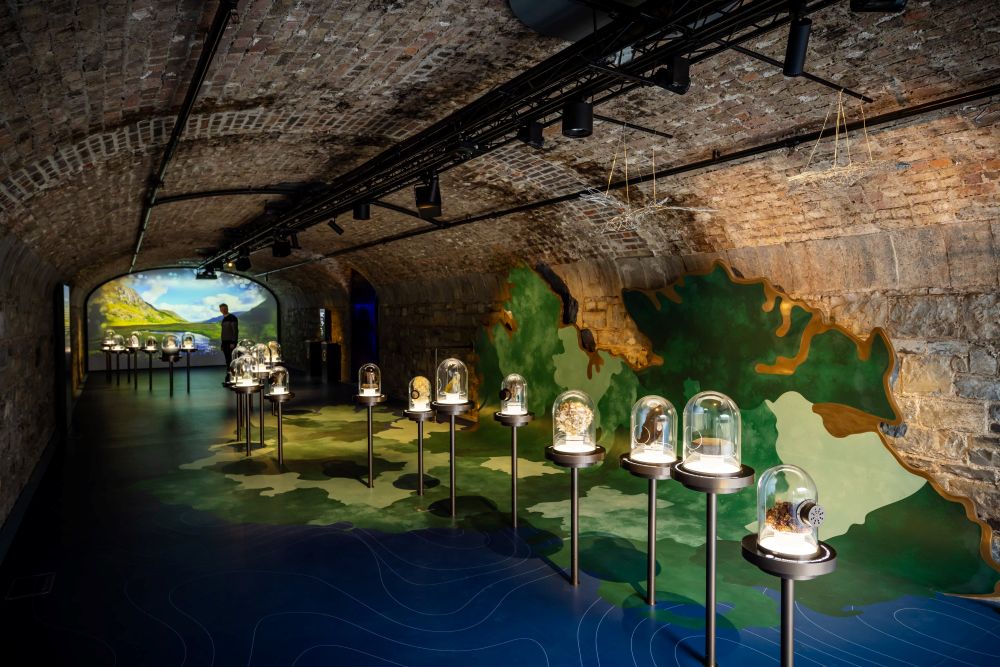
Common Ground: Ireland and the EU, a new multimedia exhibition, is open at EPIC The Irish Emigration Museum until the end of 2026. Read more: New Exhibition: Common Ground – EPIC The Irish Emigration Museum in Dublin | Official Site